

Electric Vehicles Surge in Popularity in Bac Ninh as Fuel Prices Skyrocket
In Bac Ninh province, Vietnam, the recent spike in gasoline and diesel prices has dramatically shifted transportation choices for both individuals and businesses. More people are embracing electric cars and motorcycles to cut down on expenses and support greener living. This trend is fueling rapid expansion in the local EV market.
A Booming Market Driven by Economic Pressures
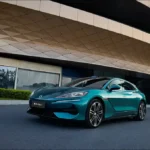
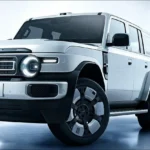
Over recent years, brands like VinFast, BYD, Hyundai, and Wuling have flooded the Bac Ninh market with electric options. With fuel costs climbing steadily, inquiries and purchases have jumped sharply. Local dealerships report electric car sales rising by 30-40%, while electric motorcycle sales have soared 70-80% compared to prior periods.
Customers aren’t just showing up in greater numbers—they’re thinking differently. Early adopters focused on gadgets and features, but now buyers prioritize total ownership costs, maintenance expenses, and long-term savings. For frequent drivers, the math is compelling.
Practical Tip: Calculate Your Savings
Take a daily commute of 60-70 km. A traditional gas car might burn through fuel costing three times more than charging an EV. Over a year, this could save you 25-35 million VND (about $1,000-1,400 USD), depending on usage and local electricity rates. Use online EV calculators to personalize these figures.
Real Stories from Local Drivers
Consider everyday commuters like those in Tu Son ward. One driver switched from gas to electric after crunching the numbers: “My fuel bill was crushing me, but electricity costs a fraction. Long-term, it’s a smart investment.” This mindset is widespread.
Businesses are following suit. A transport firm owner in nearby Bac Giang invested over 700 million VND in an EV fleet. He notes lower fuel, maintenance, and repair bills—slashing operational costs by 55-65%. Clients appreciate the quiet ride and eco-credentials too.
Electric Motorcycles: Affordable and In-Demand
The two-wheeler segment is exploding with diverse models at various price points. Dealerships lure buyers with trade-ins, 0% financing, cash rebates, and free battery rentals initially.
A Kinh Bac shop owner shares: “Visitors doubled year-over-year. Mid-range models fly off the shelves for their value and low running costs. We’ve even faced stock shortages.” Buyers now include workers, entrepreneurs, and not just students.
Actionable Advice for Buyers
- Compare total cost of ownership (TCO), not just sticker price.
- Check battery warranties (aim for 8+ years).
- Test drive in real traffic to gauge range.
- Look for government incentives like tax breaks on EVs.
Expert Insights on Future Growth
Industry officials highlight multiple boosters: consumer awareness of lifecycle costs and environmental impact, plus improving charging networks, battery tech, and supportive policies.
EVs shine in urban settings where gas cars guzzle 8-10 liters per 100 km. Equivalent electric ‘fuel’ costs just 30-35% as much. Frequent travelers pocket massive annual savings.
This demand sparks ancillary businesses: charging stations, specialized repairs, parts supply, and tech support.
Challenges and Opportunities Ahead
Regulators are tightening oversight on EV sellers to ensure quality and protect buyers. Competition heats up as more makers enter, pushing better products, service, and deals.
Traditional fuel vehicles must innovate to compete. Dealerships see switchers from ride-sharing drivers and high-mileage users, proving operating costs trump upfront ones.
Pro Tip for Businesses
Fleet managers: Pilot one EV for a month. Track fuel/charge, maintenance, and downtime. Scale if savings hit 50%+.
Fuel volatility accelerates the clean transport shift. Smarter consumers favor efficiency, paving the way for sustainable mobility in Bac Ninh and beyond.