Reunion Island EV Advocates Slam Eco-Penalty Cuts: They Benefit Polluting Luxury Cars Most

Electric Vehicle Users in Reunion Island Challenge Proposed Eco-Tax Cuts
In a bold move, the local electric vehicle advocacy group Electro’Ker has publicly criticized the Reunion Region’s push to slash the ecological penalty by half for overseas territories. Instead of supporting this change, the association has appealed directly to the Ministry of Overseas Territories, advocating for a fairer system based on actual CO2 emissions across all vehicle types.
Who Really Gains from Reducing the Penalty?
The ecological penalty, or ‘malus,’ is designed to be progressive, starting small for modest emitters and climbing steeply—up to 80,000 euros—for the biggest polluters. Halving it might save everyday buyers just tens of euros on mid-range cars popular with middle- and lower-income families. However, owners of high-powered luxury vehicles could pocket tens of thousands in savings. This shift risks channeling public funds primarily to wealthier households, undermining the goal of equitable environmental policy.
A Step Backward for Green Transition
Reunion already imposes an import duty, known as octroi de mer, on electric vehicles exceeding 150 horsepower, while seeking relief for the dirtiest gas-guzzlers. This approach contradicts efforts to promote sustainable transport. Prioritizing clean mobility through smart incentives is key to reducing the island’s carbon footprint, especially given its unique geography and reliance on imports.
Addressing Common Objections
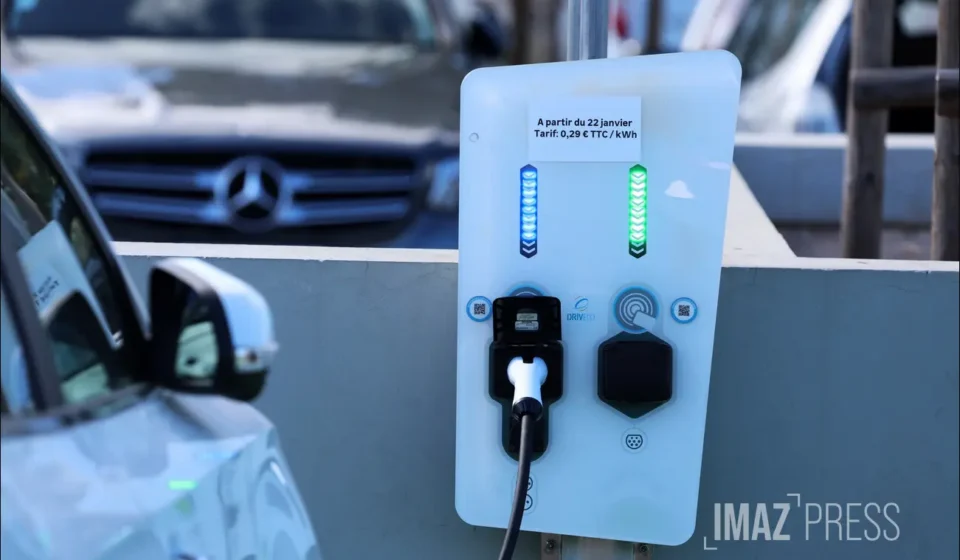
Critics often cite insufficient charging stations and grid limitations, but data paints a different picture. About two-thirds of Reunion residents live in single-family homes, ideal for home charging. Daily commutes are short—the island’s circumference is just 220 km—and utility provider EDF assures ample electricity supply. The regional charging plan by SIDELEC anticipates thousands of public points, but only if demand for EVs persists. Undermining that demand with tax breaks for polluters could stall progress.
Potential Conflicts of Interest
The campaign for penalty relief comes from the Reunion Import and Trade Syndicate, led by an individual who also heads the local importer for premium brands like BMW and MINI—precisely the models hit hardest by current taxes. These connections, drawn from public records, raise questions about whose interests are truly being served.
A Better Path Forward: CO2-Based Taxation
Electro’Ker offers a compelling alternative: a unified import duty calculated on real-world CO2 emissions for every vehicle, regardless of powertrain. This system would be:
- Ecological: Higher emissions mean higher taxes.
- Fair: All vehicles contribute, maintaining regional revenue.
- Equitable: At equal emissions, pricier models pay more.
Implementing this could position Reunion as a leader in progressive vehicle taxation for island ecosystems. For context, similar CO2-focused models in Europe have accelerated EV adoption without revenue loss—Reunion could adapt this proven strategy locally.
“This isn’t about boosting purchasing power—it’s a handout to buyers of the priciest, dirtiest rides,” says Marc-Antoine BRU, president of Electro’Ker. “We need taxes that target pollution head-on, no matter the engine type, without punishing clean options.”
About Electro’Ker
Electro’Ker is a Reunion-based nonprofit dedicated to promoting and protecting electric mobility. It supports EV owners through education, advocacy, and community events. Detailed proposals, including their CO2-based tax model with cost projections, are available upon request from the association.