Tesla Model 3 Clocks Over 700,000 km with Factory Battery: Durability Breakdown and Tips

Tesla Model 3 Surpasses 700,000 km on Its Original Battery: A Milestone for Electric Vehicles
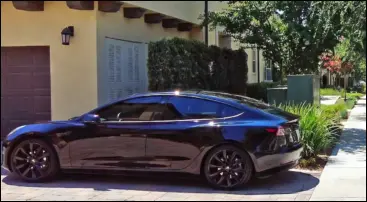
A Tesla Model 3 in Europe has clocked over 700,000 kilometers while still running on its factory-installed battery pack. This remarkable achievement is turning heads among drivers and experts alike, proving that electric vehicles can deliver exceptional longevity under real-world conditions. Far from being a fluke, it highlights the robust engineering behind modern EVs and offers valuable lessons for maximizing battery life.
Battery Health After Extreme Mileage
At such high mileage, battery degradation is a key concern. Data from similar high-mileage Tesla Model 3s shows that capacity loss typically ranges from 15% to 25% after 700,000 km. The initial drop-off happens in the first 100,000 km, after which it stabilizes thanks to advanced features like the Battery Management System (BMS) and liquid cooling. These keep cell temperatures optimal, preventing accelerated wear.
Real-world examples back this up:
- A 2019 Model 3 Standard Range Plus with over 600,000 km saw its full-charge range drop from 390 km to 254 km, with a State of Health (SoH) around 66%.
- Another 2019 Long Range Dual Motor model hit 694,000 km with an SoH of 68-71%, reducing range from 450 km to 350-380 km.
Industry studies, like those from Geotab, report an average 2.3% annual capacity loss for EVs, leaving about 82% after eight years. This Model 3’s performance aligns with these trends, showing consistent daily usability with stable consumption on highways.
Secrets to Preserving Battery Life
The owner attributes success to smart habits rather than luck. Here are proven strategies to extend your EV battery’s lifespan:
- Prioritize AC Home Charging: Use slow Level 2 chargers daily to minimize stress. Reserve Tesla Superchargers (DC fast charging) for road trips only, as frequent fast charging generates heat.
- Daily SoC Sweet Spot: Keep charge between 20-80% for routine use. Avoid full charges unless needed and deep discharges.
- Temperature Management: Park in shade or garages during heatwaves, especially with a full battery. Tesla’s preconditioning helps too.
- Software Vigilance: Install updates promptly and heed dashboard alerts for optimal BMS performance.
- Gentle Driving Style: Accelerate smoothly and use regenerative braking to reduce strain on the battery chemistry.
Adopting these can make your EV as reliable as a well-maintained diesel for high-mileage drivers.
Ownership Costs and Economic Advantages
Beyond durability, the numbers impress on cost. For one tracked Model 3 at 694,000 km, maintenance (excluding tires) totaled around 7,500 €—just 0.011 € per km. EVs shine here: no oil changes, clutches, or timing belts, plus regenerative braking extends brake life. Home electricity often beats gas prices, dropping total ownership costs for heavy users.
While average EV lifespan estimates hover at 200,000 km, outliers like this push boundaries, especially for fleets or commuters.
Buying a High-Mileage EV: What to Check
This story reshapes the used EV market. Don’t fixate on odometer readings—prioritize:
- Battery SoH: Use Tesla’s app or diagnostic tools for accurate readings.
- Charging History: Look for mostly AC use over DC fast charges.
- Consumption Trends: Stable efficiency signals good health.
- Service Records: Confirm regular updates and no major issues.
Organizations like TÜV provide averages, but personal stories like this reveal potential. As one owner notes, battery worries fade with proper care, making high-mileage Teslas smart buys.
This 700,000 km milestone underscores EVs’ maturing reliability, paving the way for sustainable, long-haul driving.