
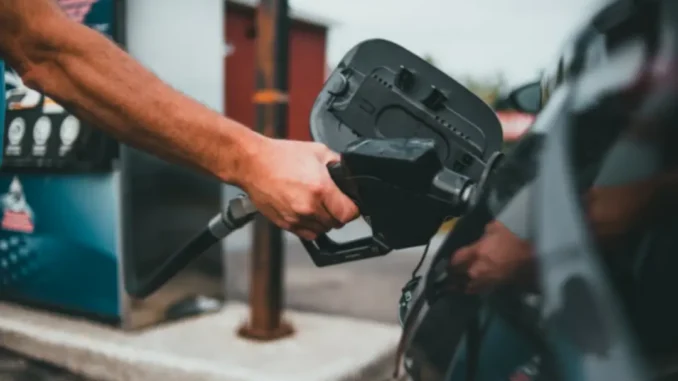
Have you ever grabbed the wrong pump? It happens faster than you think. Using the wrong fuel can cause immediate trouble and expensive repairs.
How Wrong Fuel Affects Engines
Why does fuel type matter? Fuel chemistry and engine design must match. A mismatch can disrupt combustion and lubrication.
Can a single fill ruin an engine? Sometimes yes. Driving after misfuelling increases risk. Think of it like putting salt in a freshwater fish tank.
Diesel in Gasoline Engines
What happens when diesel goes into a petrol car? The engine may sputter or refuse to run. Diesel is heavier and does not evaporate like gasoline.
Immediate Symptoms
- Misfiring or rough idle.
- White or heavy smoke from the exhaust.
- Hard starting or stalling shortly after start.
Potential Damage
- Clogged fuel injectors and filters.
- Fuel system contamination that needs flushing.
- Long-term knocking or sensor issues if driven.
Gasoline in Diesel Engines
Could gasoline damage a diesel engine more? Yes. Gasoline removes lubrication from diesel pumps and injectors. The result can be rapid wear.
Immediate Symptoms
- Strong smoke and foul smell.
- Sputtering and loss of power.
- Often a failure to start or quick stalling.
Potential Damage
- Fuel pump and injector failure from lack of lubrication.
- Overheating and piston damage.
- Possible complete engine breakdown if driven.
Wrong Octane Fuel
Is octane just a number? It controls knocking resistance. Using lower octane in a high-compression engine causes detonation.
Symptoms
- Ticking or pinging sounds under load.
- Reduced power and worse fuel economy.
- Check engine light on some cars.
Long-Term Risks
- Repeated detonation can damage pistons.
- Knock sensors help, but they are not a cure.
- Occasional low-octane fills are less risky than frequent misuse.
E85 in Non-Flex-Fuel Vehicles
What about ethanol blends? E85 has high ethanol content. Many seals and fuel lines cannot tolerate it.
Symptoms
- Rough running and stalling.
- Check engine light and poor performance.
- Sometimes no start at all.
Risks
- Corrosion of fuel lines, seals, and pumps.
- Emission system faults and warranty issues.
- Repeated use can cause progressive damage.
What To Do Immediately
Did you notice before starting the engine? Good. Do not crank the car. Preventing circulation is the easiest fix.
If You Haven’t Started the Car
- Stop and stay calm. Call for help or get a tow.
- Have the tank drained and the fuel lines flushed.
- Replace fuel filters as a precaution.
If You Started or Drove the Car
Did you drive it even a short distance? Stop and turn off the engine. Continuing multiplies risk.
- Do not restart the car.
- Tow it to a trusted mechanic or dealer.
- Expect inspections of pump, injectors, and filters.
Diagnosis and Repairs
How do mechanics confirm misfuelling? They test fuel composition and inspect the fuel system. They also scan for error codes.
Common Repairs
- Fuel tank drain and system flush.
- Fuel filter replacement.
- Injector cleaning or replacement.
- Fuel pump repair or replacement in severe cases.
Cost Considerations
Repair costs vary by damage severity. A simple flush is cheap. Pump or engine replacements cost much more.
Prevention Tips
Want to avoid this problem? Slow down at the pump. Read the label before you lift the nozzle.
- Check the fuel cap and door label.
- Use the recommended octane in your owner’s manual.
- For rental or unfamiliar cars, confirm fuel type before fueling.
- Consider a fuel misfuel protector device for added safety.
Real-World Examples
Ever seen diesel in a petrol SUV? The owner drove two miles. The vehicle needed a full system flush. Could it have been worse? Yes. Many drivers avoid disaster by stopping early.
Have you heard of gasoline ruining a diesel truck? In one case, the injection pump failed. The repair bill was high. Those stories are common among mechanics.
Conclusion
Using the wrong fuel causes clear symptoms and real damage. Stop the car if you can. Drain and flush the system if needed. Preventing misfuelling is simple and cheap compared to repair costs. Follow the tips and double-check the pump next time.
Leave a Reply