Lucid and Bolt Launch Plan for 25,000 Self-Driving Vehicles in Major European Cities

Lucid and Bolt Forge Ahead with 25,000 Autonomous Vehicles for Europe
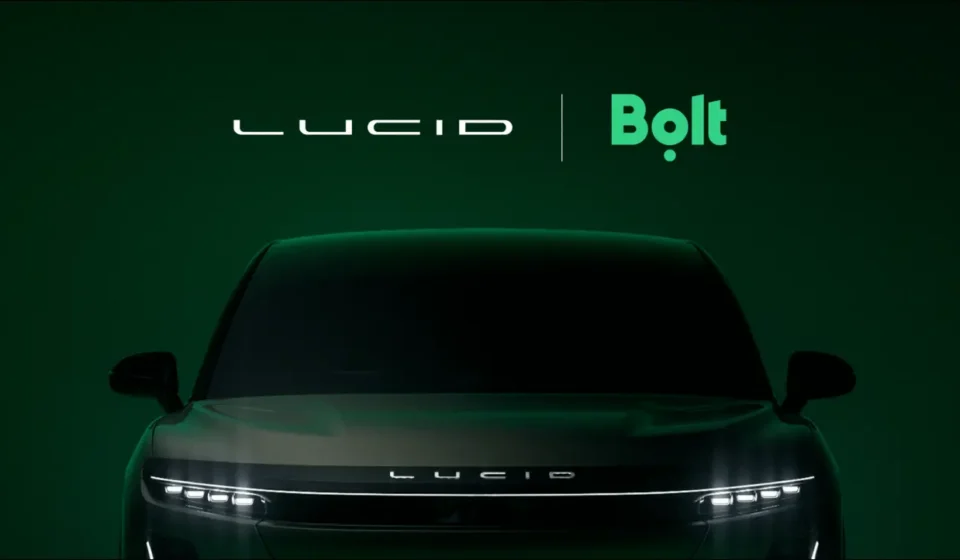
In a bold move to reshape urban mobility, electric vehicle pioneer Lucid has teamed up with ride-hailing giant Bolt to roll out at least 25,000 fully autonomous cars across major European cities. This ambitious initiative targets Level 4 autonomy, where vehicles can handle all driving tasks in designated areas without human input, paving the way for efficient, emission-free transport solutions.
Bolt’s broader vision includes scaling to 100,000 self-driving vehicles by 2035, with this Lucid collaboration forming a key pillar. Fresh off expanding into France through dealer Emil Frey, Lucid is accelerating its European footprint by focusing on shared mobility rather than just personal luxury EVs.
Tailored Vehicles on the Midsize Platform
These won’t be off-the-shelf Lucid models retrofitted with autonomy tech. Instead, the partners are co-developing new vehicles from the ground up using Lucid’s forthcoming Midsize platform. This architecture promises more compact, cost-effective designs compared to flagships like the Air sedan and Gravity SUV.
At the heart of the system is NVIDIA’s Hyperion platform, delivering robust computing power and standardized sensors ideal for advanced driver-assistance and full autonomy. While specific autonomy software providers remain under wraps, Level 4 capabilities mean these robotaxis can operate independently in geofenced urban zones—think busy city centers where traffic, pedestrians, and infrastructure demand sophisticated navigation.
Lucid brings proven expertise here, already partnering with Uber and Nuro in the US for another 35,000-vehicle robotaxi program blending Gravity SUVs and Midsize derivatives.
Clear Roles for Seamless Execution
Lucid Technologies, the company’s new arm dedicated to AI, driver assistance, autonomy, and digital features, will lead vehicle engineering. Meanwhile, Bolt’s Autonomous Driving Solutions team shapes specs, software parameters, safety protocols, and rider experience.
Bolt takes ownership of operations: building charging infrastructure, fleet management systems, and forging city partnerships. They’ll handle everything from dispatch to maintenance, ensuring smooth integration into daily life. Collaboration with EU regulators and tech suppliers will be crucial for compliance and scalability.
Navigating Challenges and Timelines
While the 25,000-vehicle goal excites, details on rollout timelines and funding are absent, highlighting execution hurdles. Europe’s patchwork of regulations—from data privacy to safety standards—poses a bigger barrier than pure tech, as noted by Bolt CEO Markus Villig.
Practical tip for city planners: Start mapping geofenced zones now, prioritizing high-density areas like Paris, Berlin, or Amsterdam for pilot programs. Riders can anticipate safer rides (autonomous systems reduce human-error crashes by up to 90% in tests) and lower costs through shared fleets.
This partnership positions Lucid as a versatility leader, extending its tech from premium EVs to mass-market autonomy. When these driverless Lucids hit European streets, they could slash congestion, cut emissions, and redefine commuting—though patience is key until approvals align.