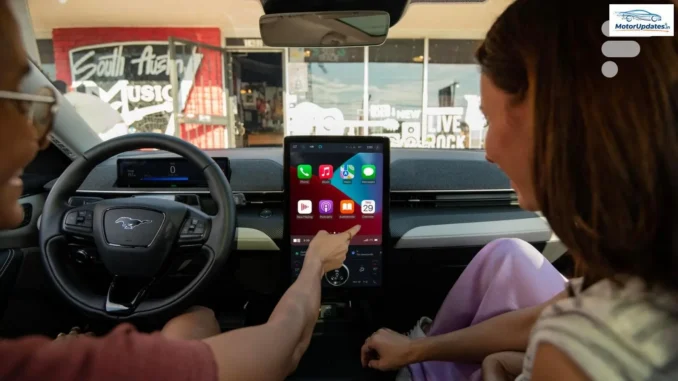
Have automakers found a new map for their digital future? Ten years ago, CarPlay and Android Auto felt like a rescue. They fixed clunky manufacturer systems and made phones a natural in-car companion. Today, many brands are stepping back. The reason often boils down to one word: control.
A decade of CarPlay and Android Auto dominance
Why did these systems win so fast? They offered a simple, familiar interface. Drivers could use navigation, music, and voice without relearning a new system. Adoption became almost universal. CarPlay and Android Auto became expected features.
What changed since then? Cars turned into data-generating machines. Automakers want to know how their vehicles are used. And that has shifted priorities fast.
Early benefits for drivers
Did drivers really benefit? Yes. A consistent app layout reduced distraction. Phone apps were often more updated than built-in software. That delivered a quick win in safety and usability.
But this benefit came with trade-offs. Third parties collected most usage data. Automakers were left guessing about real user habits.
Why automakers are turning away
Is it about privacy only? Not entirely. Automakers seek ownership of vehicle data first. They also want the ability to build services around that data. Think of cars as platforms like phones. Whoever controls the platform wins innovation time.
What else drives the shift? Software is now central to the driving experience. Better integration between hardware and software can unlock performance and unique services. Many brands want to be architects, not tenants.
Control of data
What does data mean in practice? Every route, song, and voice command creates information. That information helps improve maps, energy use, and customer support. But when CarPlay or Android Auto bridge the experience, Apple and Google own much of the stream.
Automakers worry about being blind. They want telemetry, usage patterns, and context. Without it, updates and feature development lag behind real user needs.
Software as a competitive edge
Can software define a car brand now? Yes. Software shapes infotainment, charging management, and driving aids. It becomes a brand signature. For many OEMs, owning software is like controlling a city’s power grid. It governs everything downstream.
This is why Tesla and Rivian built in-house stacks from day one. They treat software as the vehicle’s brain.
Examples: General Motors, Tesla, Rivian
What are real cases? General Motors is moving away from projection platforms for its EVs. It aims to run Android Automotive and custom services. Tesla has never supported CarPlay. Rivian designs all systems internally, tracking each interaction. These examples show different paths to control.
Monetization pitfalls
Did automakers make money from data early on? Not really. Many trials failed to scale. Insurers or advertisers often demanded too much transparency. Some projects backfired. One notable case involved a driving app that shared data with insurers. It caused backlash and regulatory action.
As a result, many brands now see data as a tool to improve products. They prioritize internal gains over direct monetization.
Regulatory and ethical risks
What about legality? Regulations like GDPR in Europe put strict rules on data use. Automakers must be careful. In the U.S., scandals have already led to fines and restrictions. The risk of eroding customer trust is high.
Brands must balance innovation with privacy. Transparency becomes a competitive advantage.
Android Automotive: a nuanced pivot
Is abandoning Android Auto total rejection? Not always. Some manufacturers switch to Android Automotive instead. That change is subtle but powerful. Android Automotive runs natively on the vehicle. Android Auto simply mirrors a phone’s screen.
Difference between projection and native OS
Why does that matter? Native OS gives access to sensors and car systems. It allows deeper features tailored to electrified vehicles. Projection cannot access the vehicle’s full context. Native integration enables richer, vehicle-aware services.
Capabilities unlocked
What new functions appear with native systems? Route planning can factor in battery status and charging stops. Voice assistants can control vehicle systems. Software updates can add features over the air. These capabilities mirror smartphone advantages, but tuned for cars.
Risks and rewards of dropping CarPlay/Android Auto
Are there customer risks? Yes. Many buyers expect CarPlay or Android Auto. Removing them can frustrate users. It is like removing a favorite radio station. Brands must deliver an equal or better experience to keep customers happy.
Is it feasible for mass-market brands? It is harder. Premium EV makers can rely on loyal or tech-savvy buyers. General brands must deliver polished, bug-free systems at scale. That takes big investments and organizational shifts.
Customer expectations and brand risk
How do brands mitigate the risk? Some build hybrid strategies. They offer native systems plus optional CarPlay support. Others invest heavily in UX design and frequent updates. The goal is to make the native experience feel familiar and superior.
Feasibility for mass-market brands
Can all automakers win this race? Not easily. Software culture matters. Companies with fast release cycles and data expertise have an advantage. Partnerships with tech firms can help. But true control requires internal capabilities.
How Apple and Google respond
Are Apple and Google sitting idle? No. Both push deeper integration options. Apple developed CarPlay Ultra to control entire dashboards. Google promotes Android Automotive and partners with OEMs.
CarPlay Ultra and Android Automotive investments
What are these moves meant to do? They aim to keep users within their ecosystems. Apple and Google want the in-car hours. That user time is valuable for services and long-term influence.
Partnership strategies
Will tech giants concede data control? Not fully. They negotiate data-sharing terms in many partnerships. The exact details vary. Agreements often balance user privacy, OEM needs, and business goals.
What this means for drivers
Should drivers care about this shift? Yes. Ownership over data affects features, privacy, and long-term support. New native systems may offer smarter EV routing and better integrated services. But they may also demand new learning.
Privacy and features
Which matters more: privacy or convenience? Both. Drivers will trade some convenience for better privacy if the value is clear. Think of it like choosing a home with smart locks. You want features and safety. You also want control over who sees your activity.
See also: Renault 4 E-Tech Motorway Performance Review
Future of in-car ecosystems
What will cars look like in a decade? Expect a mix of native platforms and select integrations. Standards may emerge for safe data sharing. Competition will push faster updates and richer experiences. The winners will be those who pair strong software with clear privacy rules.
Conclusion
Automakers are changing course. They seek control over the software and data that define modern vehicles. This shift is about more than privacy. It is about owning the future of mobility. Drivers will feel the impact through better features and higher expectations. The next decade will test who can blend software excellence with user trust.
Leave a Reply