
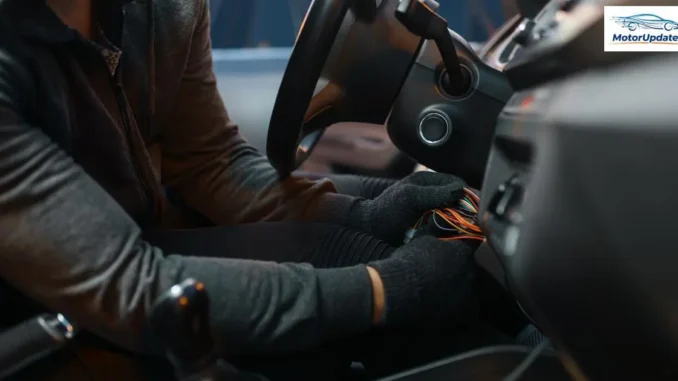
Could a music speaker really start a car? Yes, in some cases it can. Criminals hide small electronics inside speakers to mimic trusted devices. This article explains how it works and how to protect your vehicle.
How the Bluetooth Speaker Attack Works
How do thieves turn a speaker into a hacking tool? They replace the speaker’s internals with a tiny circuit that speaks the car’s language. Then they connect that circuit to the vehicle’s wiring and send commands.
What are the main steps? Prepare code for a specific model. Access a wiring point or the diagnostic port. Send messages that unlock and start the car.
Why use speakers as a cover? A speaker hides electronics in plain sight. It looks harmless and travels well. Think of it as a disguised toolbox.
Key Components Inside the Modified Speaker
What parts make the trick possible? Three parts do the work. A microcontroller that runs the attack code. A CAN transceiver that sends correct electrical signals. A small power and connector circuit to link to the car.
How do these pieces cooperate? The microcontroller composes CAN messages. The transceiver translates messages into electrical pulses on the vehicle network. The connector ties the device into the car’s wiring, often at a light cluster or diagnostic port.
Typical Attack Sequence
How fast can this happen? Very quickly — often in seconds. The attacker locates an access point, plugs in or taps into wires, and triggers the device. Doors can unlock and the engine can start soon after.
What about creating new keys? After initial access, attackers can request the car to accept a new key. It is similar to what a locksmith or dealer does, but done without permission. Then the thief drives away as if they owned the vehicle.
Why Modern Cars Are Vulnerable
What makes cars so open to this attack? Modern cars are networks of electronic modules. These modules share messages on a bus called CAN. That bus trusts any device that speaks the right messages.
Can you compare it to something familiar? Yes. It is like an office where anyone who knows the printer code can send print jobs. The network has little identity verification. So a device that speaks the language gains access.
The CAN Bus Explained Simply
What is CAN? It stands for Controller Area Network. It is a simple message highway inside the car. Modules send short signals like “unlock doors” or “start engine.”
Why is that risky? CAN was built for reliability, not security. It assumes modules are honest. So a malicious device that sends correct signals will be trusted.
Diagnostic Ports and Wiring Access
Where do attackers connect? Common spots are the OBD-II diagnostic port and exposed wiring near lights or under the dash. A small gap in the bumper or a loosened headlight panel is enough. Once connected, the device can speak directly on the vehicle network.
Real-World Example
Has this happened in real life? Yes. Law enforcement recently seized multiple vehicles and devices from a group that used modified speakers. The operation found cash, luxury items, and several hacked speakers. The case shows these attacks are organized and transnational.
What does that tell us? Attacks are not just opportunistic. They are planned for specific makes and years. Prepared tools allow thieves to act quickly and quietly.
How to Protect Your Car
What can owners do right now? Multiple simple steps reduce risk. Combine physical and digital defenses for best results.
Physical Protections
Why lock the diagnostic port? A lock stops easy access. Install a locking OBD cover or tamper-evident seal. This adds a visible barrier and slows attackers.
Should you use a steering wheel lock? Yes. A visible lock is a strong deterrent. Thieves prefer quick, quiet jobs. A big lock makes the job harder and riskier for them.
Wiring and Access Hardening
Can wiring be protected? Yes. Use cable protectors and seals around headlights and bumpers. Consider an inversion cable or blocker that prevents direct tapping. Think of it like covering the keyhole on your front door.
Tracking and Surveillance
Why add a tracker? A GPS tracker helps locate a stolen car fast. Dashcams with interior cameras can deter thieves during an attack. Cameras make criminals think twice.
Software and Manufacturer Measures
What should automakers do? They must add authentication and encryption on the vehicle network. Owners should keep software up to date. Updates can close known attack paths.
Practical Steps You Can Take Today
- Lock the OBD-II port with a keyed cover.
- Fit a visible steering wheel lock for deterrence.
- Seal or protect exposed wiring near lights and bumpers.
- Install a GPS tracker and dashcam with interior recording.
- Park in well-lit, monitored areas when possible.
- Ask your dealer about security updates for your model.
See also: The Future of Autonomous Vehicles and Road Safety
Conclusion
What are the key takeaways? A Bluetooth speaker can hide powerful hacking tools. Modern vehicle networks trust devices that speak the right signals. You can reduce risk with simple measures. Physical locks, wiring protection, trackers, and timely updates make theft much harder. Stay informed and combine defenses to protect your car.

Leave a Reply