
Why does Cadillac want Formula 1? The brand sees more than a logo on a car. Cadillac wants to build a lasting F1 presence in the United States. This article explains their plan, tests, people, and U.S. investments.
Cadillac’s bold entry into Formula 1
What is Cadillac doing differently? They are moving beyond publicity stunts. The team aims for real competitive readiness and long-term infrastructure. Think of it like planting roots, not just flying a flag for a season.
Who leads the effort? Graeme Lowdon, former Manor boss, runs the project. He frames the move as both technical and cultural. The goal is to make F1 grow in America.
Early public moments — Vegas and the brand spotlight
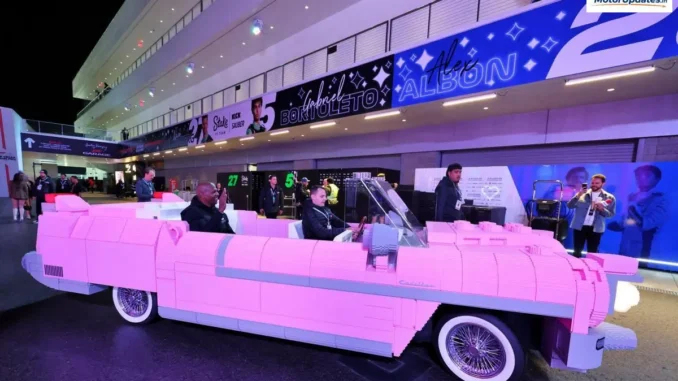
Why did Cadillac show up in Las Vegas? The team wanted visibility during the Grand Prix buzz. Cars arrived in a pink Lego Cadillac to the Bellagio fountains. This stunt echoed American spectacle and drew fans into the brand story.
Did the show matter on track? Not directly. But it fed public interest. Fans visited the Venetian pop-up store for hours. The marketing was part of a wider strategy.
Preparing the team: the Imola rehearsal
How do you test a team that does not yet race? Cadillac staged a two-day simulation at Imola. They rented the circuit and recreated a race weekend. The exercise aimed to stress operations and procedures.
What did the simulation include? Engineers sent mock FIA emails. They faced simulated technical issues and logistics challenges. This was a rehearsal for real race-week chaos.
Using a Ferrari TPC and logistical support
Where did the old car come from? Ferrari lent a TPC (test of previous car) and track time. That help was crucial. New teams rarely have prior cars for such tests.
Why is that collaboration important? It shows peer support within F1. Ferrari’s gesture accelerated Cadillac’s learning curve. It also highlighted goodwill between teams.
Imola test key takeaways
- Operational readiness was verified under pressure.
- Engineers practiced official communication and paperwork.
- Drivers ran real laps to sync with team processes.
Leadership and Lowdon’s vision
Who is Graeme Lowdon? He managed Manor and has long F1 experience. He speaks often about building a U.S. base. His leadership merges racing know-how with business planning.
What does he emphasize? Investing heavily in the U.S. is central. Lowdon repeats that the Fishers factory will be impressive. He frames the move as strategic, not symbolic.
Team growth and staffing goals
How fast is the team hiring? Cadillac reached 600 employees quickly. The target is around 1,000 staff. That scale mirrors traditional F1 team growth and local economic impact.
Why does staffing matter? Teams require engineers, mechanics, and logistics experts. Staffing affects reliability and race performance. It also anchors F1 jobs in the U.S.
Building in the U.S.: Fishers factory and American investment
Why Fishers, Indiana? The site sits near Indianapolis, a motorsport hub. Cadillac plans a modern factory there. The location links to local talent and U.S. racing heritage.
How does a factory help on track? It centralizes car design and production. Think of it like moving from a workshop to a factory. This upgrade speeds development and quality control.
Freight and season logistics
How will they handle global travel? Silverstone warehouses packed material early for overseas races. Freight planning is essential for race calendars. Good logistics reduce delays and cost.
Drivers and simulator work: Pagenaud and Herta
Who is Simon Pagenaud? A French driver working in Charlotte simulators. He spends many sessions preparing the 2026 car. His simulator runs help the team refine setups and communication.
Why simulators matter? They are like flight simulators for pilots. They build muscle memory and data for engineers. Pagenaud called the work essential for race readiness.
Colton Herta’s move to Europe and F2
Why did Colton Herta leave IndyCar? He aims for Formula 1 and chose F2 to learn European circuits. The switch is brave and deliberate. Lowdon praised Herta’s ambition and focus.
What will Herta gain? He will learn tire behavior and track layouts. That experience mirrors many drivers’ traditional paths to F1. It also strengthens Cadillac’s American driver pipeline.
Real-world example — career paths compared
- Like a chef training in multiple restaurants before opening one, drivers train across series.
- Herta’s move mirrors how many drivers test limits in feeder categories.
- Pagenaud’s simulator hours compare to pilots logging flight hours before major routes.
Partnerships and the wider F1 ecosystem
How important are alliances? Very. Ferrari’s help showed collaborative spirit. Teams often trade information and resources informally. New entrants benefit from established team goodwill.
Will this change F1 politics? It may nudge regulators and teams to adapt. The arrival of an American-backed team alters sponsorship dynamics. It also adds pressure to support fair entry rules.
Rules and testing complexities
Why are rule exceptions needed? Regulations lacked clear steps for brand-new entrants. Running old cars requires prior ownership. Ferrari’s lending filled that regulatory gap. The lesson: practice needs both permission and equipment.
See also: England Tests Formula 1 Technology for Faster Train WiFi
Marketing and American F1 fever
Why is America crucial now? U.S. audiences are hungry for F1 content and events. Las Vegas shows and fan shops prove that demand. Cadillac rides this wave to build fandom.
Can marketing translate to wins? Not automatically. Promotion brings attention but on-track results need time. The analogy: advertising builds a crowd, engineering wins the race.
Cultural connections — Cadillac, Disney, and U.S. spectacle
What cultural signals matter? Cadillac and Disney references link to American identity. The Vegas podium and Lego car tied popular culture to sport. Those moments make F1 relatable to new fans.
What Cadillac’s entry means for the future of F1 in the U.S.
Will more U.S. teams arrive? Possibly. Cadillac’s investment shows a viable path. Other brands may consider similar moves. The sport could see a stronger American footprint.
How might fans benefit? More races, local jobs, and U.S.-based development. Fans gain local heroes and technical centers. The ripple effects go beyond racetracks.
Conclusion
Cadillac’s F1 plan mixes bold marketing with careful preparation. Graeme Lowdon stresses U.S. investment, real infrastructure, and operational readiness. Tests at Imola, simulator work, and driver moves show a serious program. The project is a long-term bet on American F1 growth. Fans and the sport will watch how factory plans, partnerships, and race results unfold.
Leave a Reply