
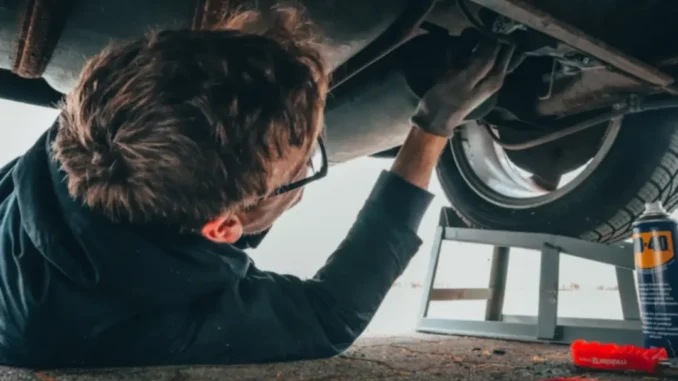
Do you want your car to run longer and safer? Regular service is like a health check for your vehicle. It prevents small issues from becoming big repairs. Read on for a clear, practical schedule you can follow.
Why Regular Car Service Matters
What happens if you skip service? Parts wear faster and safety drops. Routine maintenance preserves performance and resale value. Think of it like dentistry — small fixes now avoid painful procedures later.
General Service Rules
How often should I service my car in general? Follow the manufacturer first. Check your owner’s manual for the best guide. Also consider mileage and driving style.
The 30-60-90 Rule
What is the 30-60-90 rule? It’s a basic roadmap for long-term care. Service major systems at 30,000, 60,000, and 90,000 miles. Use this as a checklist for deeper inspections and parts replacement.
Normal vs Severe Driving Conditions
Do you drive mostly on highways or in the city? Severe conditions include short trips, towing, dusty roads, and frequent idle time. Vehicles driven under severe conditions need service more often. Treat your car like a runner; harder use needs more recovery time.
Oil Changes and Fluid Maintenance
When should you change oil? Modern cars often need oil changes every 5,000–7,500 miles. Older cars may still use a 3,000-mile rule. Always check your owner’s manual for oil type and interval.
Transmission and Coolant Care
How often for other fluids? Change transmission fluid around 30,000–60,000 miles. Replace coolant roughly at 100,000 miles and again near 125,000. Fluids protect vital systems and prevent costly failures.
Brake and Power Steering Fluids
Are brakes giving you feedback? Change brake fluid by about 125,000 miles or when it looks dark. Power steering fluid can last longer, but inspect by 180,000 miles. Fluids keep systems responsive and safe.
Tire Maintenance and Alignment
When should I rotate tires? Rotate tires every 6,000–8,000 miles. Many drivers do this at oil change time. It balances wear and improves handling.
Wheel Alignment Checks
Why check alignment every 6,000 miles? Misalignment speeds tire wear and pulls the car to one side. Alignments keep steering precise and tires lasting longer.
Filters: Engine, Cabin, Fuel
How often to replace filters? Engine air filters typically need replacement near 15,000 miles. Cabin filters vary by environment; change them as needed. Replace the fuel filter around 50,000 miles. Clean filters help efficiency and air quality.
Belts, Hoses, and Timing Components
When do belts and hoses need work? Inspect them by 60,000 miles for cracking or wear. Replace timing belts per manufacturer recommendations to avoid engine damage. Think of belts like your car’s tendons — they must be strong.
Major Service Milestones
What needs attention at set mileages? Use these milestones as a roadmap for deeper fixes and checks.
36,000 Miles
Get a full mechanical inspection before warranty ends. Check for any covered issues early. Small repairs here can save money.
50,000 Miles
Expect brake pad replacement and fuel filter change. Service the transmission fluid and filter. Inspect the exhaust and suspension. This is a key maintenance point.
60,000 Miles
Inspect belts, hoses, and valve clearances. Replace timing belt if due. Preventive action avoids engine failures.
100,000 Miles
Change high-mileage coolant and spark plugs. Do another full inspection. Older cars need more care now.
125,000–180,000 Miles
Replace O2 sensors and brake fluid at 125,000 miles. Inspect mounts, axles, and power steering fluid by 180,000. Consider suspension work and alignment. These steps sustain drivability.
250,000 Miles and Beyond
Clean fuel injectors and check the catalytic converter. Have the chassis inspected. High-mileage cars require tailored care and more frequent checks.
DIY Checks and Warning Signs
Can you spot problems early? Yes. Look for fluid leaks, strange noises, and dashboard warnings. Test brakes regularly and check tire pressure monthly. Simple checks save time and money.
When to Visit a Mechanic
Are odd symptoms present? Visit a shop if you feel vibrations, hear grinding, or see warning lights. Don’t delay. Mechanics can catch problems you might miss.
Customizing Your Schedule
How do you tailor maintenance? Start with the owner’s manual. Factor in driving habits and environment. Keep a service log. It acts like a medical record for your car.
Real-World Examples
Do you commute 60 miles daily? Service more often for oil and brakes. Do mostly highway driving? You might extend some intervals. Use examples as a model for your routine.
Quick Maintenance Checklist
- Oil and filter: every 5,000–7,500 miles.
- Tire rotation: every 6,000–8,000 miles.
- Brake inspection: every 15,000 miles.
- Transmission fluid: 30,000–60,000 miles.
- Engine air filter: ~15,000 miles.
- Fuel filter: ~50,000 miles.
- Coolant and major services: 100,000+ miles.
Conclusion
Regular service keeps your car safe and reliable. Follow the owner’s manual first, then adjust for mileage and driving conditions. Small, timely actions prevent big repairs later. Treat maintenance like routine health care for your vehicle.
Leave a Reply