
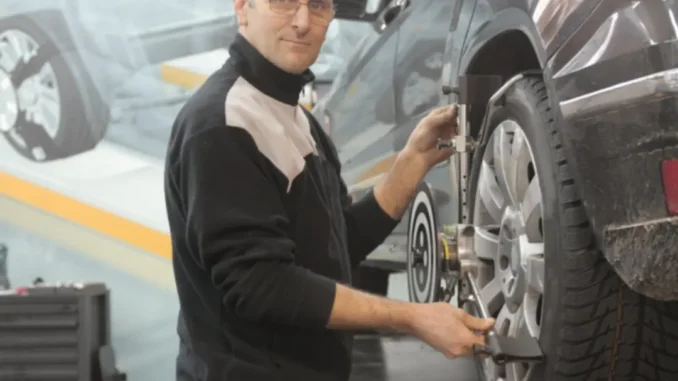
Have you ever felt a vibration while driving? Tire wear can cause that. Regular rotation keeps tyres wearing evenly. This article explains when and why to rotate them.
Recommended Rotation Interval
Looking for a simple rule? Most makers and guides suggest rotating tyres every 5,000–7,500 miles. That equals roughly every six months for many drivers. Firestone and some service centers recommend about every 5,000 miles or at least twice a year.
Do you check your owner’s manual? Your manual may set a different interval. Follow it when it differs from the general rule.
Typical Manufacturer Guidance
Many manufacturers: rotate every 5,000–7,500 miles. Some sources widen that range to 5,000–8,000 miles for flexible maintenance. Stick with the lower end if you drive hard or carry heavy loads.
Why Check the Manual?
Do you drive a special vehicle? Cars with staggered wheels, directional tyres, or specific drivetrains need unique patterns. The manual gives the exact pattern and timing for your model.
Why Rotate Tyres
Why rotate tyres at all? Rotation spreads wear evenly across all four tyres. Even wear preserves grip, ride quality, and fuel economy.
What does even wear do for you? It extends tyre life and keeps braking and handling predictable. Think of tyres like shoes; rotate them so one side does not wear out first.
Benefits of Regular Rotation
Want longer tyre life? Regular rotation delays replacement and can save money. You also keep traction steady for wet or icy roads.
Do you value a smooth ride? Even tread reduces vibration and improves comfort. It also helps your car track straight.
Risks of Skipping Rotation
Worried about skipping it? Uneven wear can cause poor handling and longer stopping distances. It may even increase the risk of blowouts on long trips.
Could it affect safety inspections? Yes. Severely uneven tyres may fail inspection in some regions. That could cost time and money.
Rotation Patterns and Drivetrains
Which pattern fits your car? FWD, RWD, and AWD cars use different rotation patterns for best results. Always match the pattern to the drivetrain and tyre type.
Front-Wheel Drive (FWD)
FWD cars wear fronts faster. A common pattern is front-to-back and back-to-front across the same side. This evens out the extra load at the front wheels.
Rear-Wheel Drive (RWD) and AWD
RWD often sends more wear to the rear. Swap rear tyres to the front diagonally or straight across depending on tyre type. AWD benefits from even wear on all four tyres to avoid drivetrain stress.
Directional and Staggered Tyres
Do you have directional tyres? They must stay on the same side of the car. That means no cross swaps. Staggered setups may prevent swapping front to rear.
How to Tell It’s Time
Can you see uneven wear? Check tread depth across the tyre. Use a gauge or the penny test for a quick check.
Do you feel vibration or pulling? Those are signs of uneven wear or alignment issues. Rotate tyres sooner and inspect alignment when you notice these symptoms.
When to Rotate More Often
Do you drive on rough roads? Tough surfaces speed up wear. Rotate closer to every 5,000 miles in that case.
Do you haul heavy loads or tow? Yes, rotate more often. Extra weight stresses tyres and causes uneven wear patterns.
Do you drive aggressively? Hard cornering and fast starts wear tyres faster. Shorten the interval to protect tread life.
Real-World Examples
Which routine fits daily commuting? A commuter who drives 12,000 miles a year should rotate every 6,000 miles. That matches every other oil change and keeps wear balanced.
What about a weekend truck user? An SUV that tows often should rotate every 5,000 miles. Heavy use makes tighter intervals wise.
DIY vs Professional Rotation
Want to rotate tyres yourself? You can if you have tools and know-how. Always follow the correct pattern and torque specs.
Prefer a pro? Tire shops rotate and balance tyres quickly. They inspect for wear, valve stems, and alignment issues too.
Practical Tips
How to track rotations? Log dates and mileage in your car app or service book. Set reminders with your phone or calendar.
Should you replace a badly worn tyre instead? Yes. If a tyre is unevenly worn beyond safe limits, rotate will not fix the problem alone. Replace the tyre and follow a maintenance plan.
See also: Essential New Car Maintenance Tips for Longevity
Conclusion
How often should you rotate car tyres? Aim for every 5,000–7,500 miles or about every six months. Check your owner’s manual for exact guidance and special patterns.
What’s the bottom line? Regular rotation improves safety, extends tyre life, and aids performance. Rotate on schedule and inspect tyres often to get the best value and safety from your tyres.
Leave a Reply