
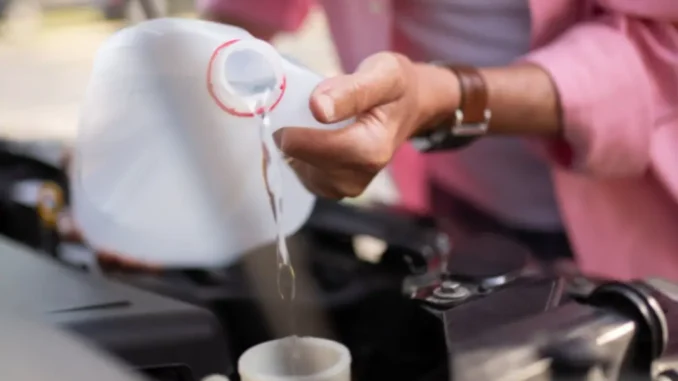
Want to avoid engine trouble? Checking your coolant level keeps the engine cool and prevents costly damage. Read on for safe, simple steps.
Why Checking Coolant Matters
Curious why this matters? Coolant controls engine temperature and prevents freezing and corrosion inside the cooling system. Low coolant can cause overheating and engine failure.
When to Check Your Coolant
When should you check it? Always check when the engine is cold, ideally after 30 to 60 minutes of cooling. Never open a hot, pressurized cap.
How to Park Safely Before Checking
Park on level ground. A level surface gives a true reading in the reservoir or radiator neck. Also engage the parking brake.
How to Let the Engine Cool
Need to cool the engine safely? Turn off the car and wait at least half an hour to an hour before touching the cooling system. This prevents burns from hot coolant or steam.
Locate the Coolant Reservoir
Can you find the reservoir easily? Look for a translucent plastic tank near the radiator, often with colored fluid inside. Check the owner’s manual if you are unsure.
Identify Caps and Labels
Is the cap labeled correctly? Caps usually say “coolant,” “engine coolant,” or show a temperature symbol. When in doubt, consult the manual.
Read the Level on a Modern Reservoir
How do you read a translucent tank? Find the MIN and MAX or LOW and FULL marks on the side and read with the engine cold. The fluid should be between those marks.
Older Cars Without a Separate Reservoir
Does your car lack a reservoir? Some older cars require checking at the radiator neck only when fully cool. Remove the cap slowly and stand to the side.
Radiator Neck Details
What should you see at the radiator neck? Coolant should be near the top of the radiator opening when cold. Also check any small overflow bottle for some fluid.
Check Coolant Condition, Not Just Level
Do you check the fluid itself? Inspect color and clarity; coolant can be green, orange, red, blue, or yellow depending on type. Report rusty, oily, cloudy, or colorless coolant for inspection.
Look for Leaks and Symptoms
What are the warning signs? Dried coolant, wet spots under the car, or a rising temperature gauge suggest leaks or problems. Repeatedly low coolant needs a mechanic.
Topping Up Coolant Safely
Ready to add coolant? Only do this with the engine cold and the correct coolant type and mix from your manual. Add until the reservoir reaches the FULL or MAX mark.
Filling an Older Radiator System
How to fill a radiator without a surge tank? Fill the radiator to the top when cold and ensure the overflow bottle has some fluid. Replace caps securely after refilling.
Choosing the Right Coolant
Which coolant should you use? Use the specific coolant type or a 50/50 premix as the manual recommends. Mixing the wrong types can reduce corrosion protection.
Special System Types: Surge Tank vs Overflow
How do systems differ? Surge tanks are pressurized reservoirs read directly, while overflow systems use a radiator cap and bottle. Overflow bottle levels don’t always reflect radiator level.
How Often to Check Coolant
How frequently should you check it? Check at least every couple of weeks or before long trips, especially on older cars. Regular checks catch issues early.
Real-World Examples
Want an analogy? Think of coolant like blood in a body; low levels and contamination cause organ failure. A small leak can hide and grow into a major problem.
Simple Troubleshooting Steps
Is your car still overheating? Confirm correct level, inspect hoses and radiator for leaks, and check the temperature gauge. If problems persist, see a mechanic. A rising temperature gauge can also indicate other issues, like a failing AC system.
Safety Reminders
Worried about burns or pressure? Never open a hot radiator or reservoir cap; hot coolant and steam can spray out. Use a rag and stand to the side if you must slowly open a warm cap.
Conclusion
Checking coolant is a quick, preventive task. Park level, cool the engine, read the reservoir or radiator neck, and top up with the right fluid if needed. Regular checks protect your engine and save money.
See also: How to Check Engine Oil Level in Car
Leave a Reply