
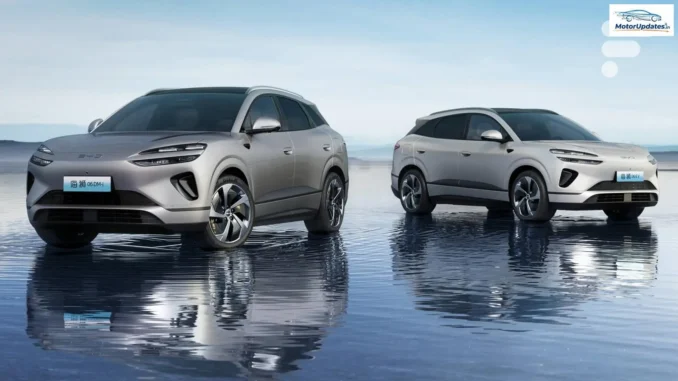
Europe is at a crossroads. Traffic of Chinese electric cars ramps up fast across the continent, spurring calls for a strong response. What will the EU do?
Why the EU is worried
Is cheap competition the whole problem?
Chinese electric vehicles often enter markets with low prices and heavy state support, which can distort competition for local makers.
Could this reshape Europe’s auto industry?
Can job losses follow?
EU officials warn that local car production could shrink from 13 million units to 9 million within a decade without action.
Would that mean factories closing and fewer skilled jobs?
Are supply chains at risk?
Many EV parts and battery materials are sourced from China, creating heavy dependence.
Is that strategic vulnerability acceptable?
How Brussels diagnosed the issue
Did the EU investigate subsidies?
Yes, Brussels concluded that Chinese firms received state aid that helped drive exports.
Is that unfair competition?
What came next?
The Commission opened probes and proposed anti-subsidy duties on electric cars made in China.
Could tariffs slow some imports?
Proposed tools to protect industry
What tools can Brussels use?
The EU is weighing tariffs, investment conditions, and new rules for local plants.
Will these measures balance trade and security?
Will investment conditions be strict?
Officials want Chinese factories in Europe to hire local workers and source components locally where possible.
Is assembling cars with imported parts and foreign staff acceptable?
Are tariffs likely?
Anti-subsidy duties can increase prices for Chinese EVs, leveling the field for European brands.
Might that also raise costs for consumers?
A new vehicle class: E-Cars
What is an E-Car?
Brussels considers a light EV category similar to Japan’s kei cars, designed for urban use and low cost.
Could small E-Cars expand choices without undermining local industry?
Why use a new class?
A lighter regulatory regime could encourage affordable European models and reduce reliance on imports.
Would consumers accept smaller, cheaper EVs?
Local production vs. import strategies
Can building plants in Europe solve the problem?
Chinese firms like BYD plan factories in Spain and Hungary to sidestep tariffs and be closer to buyers.
Is local assembly the same as local value?
Why not just accept those factories?
Brussels objects when plants rely on imported parts and non-local staff.
Should investment rules force deeper industrial ties?
Securing raw materials and supply chains
Are rare earths a bottleneck?
China controls a large share of battery material processing, creating strategic dependence.
Can Europe diversify suppliers?
What can the EU do?
Brussels aims to find alternative sources and boost recycling and local processing.
Is this like building a spare tire for the economy?
Real-world examples
Who is already in Europe?
Brands like BYD, MG, Xpeng and Nio sell models across the continent and win market share.
Does this pressure legacy automakers?
How have local makers reacted?
Some European firms speed up EV plans and seek new partnerships to stay competitive.
Is collaboration the right answer?
See also: Electric Vehicle Training Prepares Students for Automotive Careers
Challenges and trade-offs
Will protectionist moves hurt consumers?
Tariffs and strict investment rules can raise prices and limit model choices.
Is that a price worth paying for jobs?
Are there wider geopolitical risks?
Overt economic confrontation could trigger retaliation or supply disruptions.
Can careful policy avoid a cold trade war?
What a balanced policy could look like
Can the EU be both open and protective?
A mix of targeted tariffs, investment conditions, and industrial strategy can shield key sectors while keeping markets dynamic.
Is that pragmatic middle ground feasible?
Why combine measures?
Tariffs deter unfair competition, while rules force genuine local investment and diversification of materials.
Will this give Europe time to rebuild strengths?
Conclusion
Europe faces a strategic choice.
The surge of Chinese electric cars exposes economic and supply vulnerabilities, but also offers competition that can spur innovation.
Will Brussels find the right balance between protection and openness?
Leave a Reply