
England Turns to F1 Tech for Ultra-Fast Train WiFi
What happens when motorsport meets rail? The UK is testing Formula 1‑inspired systems to speed up WiFi on trains. A pilot aims to cut dropouts and raise average speeds.
The Pilot: Great Western Railway Trial
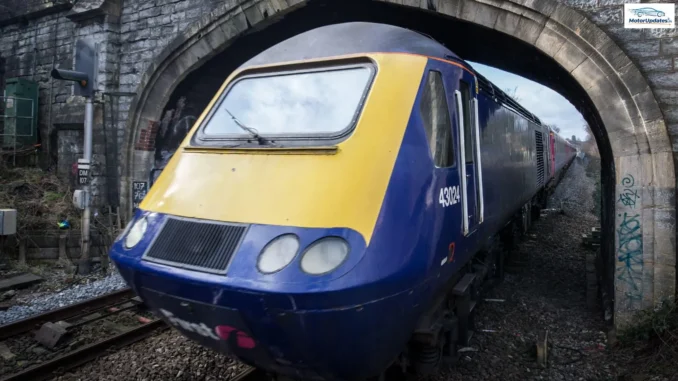
Which operator will lead the trial? Great Western Railway will run a 60‑day pilot from mid‑November. Motion Applied and Peninsula Transport provide the hardware and integration. The Department for Transport freed £41 million to fund satellite rollout.
How the Technology Works
How do trains switch networks smoothly? Fleet Connect aggregates multiple links and manages seamless handovers between antennas and satellites. Aggregation means the system combines links to keep data flowing. Think of it like a relay team passing batons between runners. Low Earth orbit satellites fill coverage gaps over rural routes.
Key Technical Details
Hybrid Connections
Combines cell towers near tracks with LEO satellites overhead. This reduces dead zones and keeps speeds steadier.
Fleet Connect Platform
Software balances links and selects best route for each packet. It aims to switch networks without visible interruptions to passengers.
Expected Benefits
Fewer dropouts and higher average throughput are expected. Business travelers can work, and passengers can stream smoothly.
Why F1 Tech Fits Trains
Why borrow from Formula 1? F1 systems are built for very fast moves and tight handoffs. Trains face similar problems at different scales, like brief connection windows. Nick Fry brings McLaren experience to the startup Motion Applied.
Real-World Examples
Where else is satellite WiFi already in use? Some Scottish trains used Starlink since 2024 to boost connectivity. In France, SNCF is testing Starlink versus Eutelsat for onboard internet. Ookla ranks the UK 16th in train speeds at 1.09 Mbps. By comparison, Sweden posts 64.58 Mbps average on trains. SNCF stands fifth with 19.12 Mbps, per Ookla.
See also: Europe’s Strategy Against Chinese Electric Vehicle Competition
Impacts for Passengers and Operators
What will change for riders? Faster, more reliable WiFi supports streaming and remote work on trains. Operators gain better telemetrics and can improve safety and maintenance planning. But cost and spectrum rules still pose hurdles.
Cost and Deployment
How costly is scale-up? The UK allocated £41 million for initial satellite-equipped lines. Wider rollout will need more ground antennas and satellite capacity. Public funds and operator partnerships will shape the pace.
Conclusion
Can F1 tech transform train WiFi? The trial on Great Western Railway will show how hybrid satellite and track antennas perform. If success follows, passengers could see fewer dropouts and faster speeds. The idea is simple: use proven high-speed tech in a new setting.
Leave a Reply