
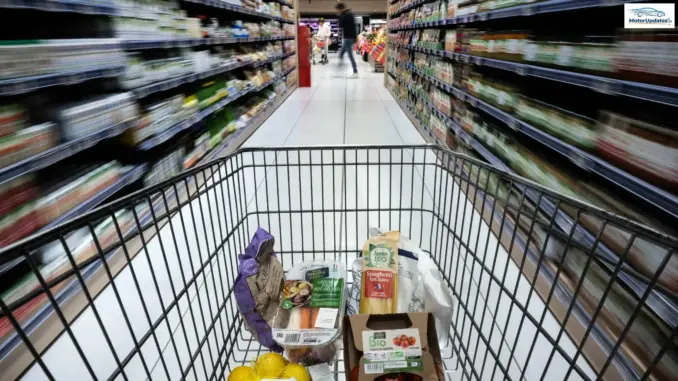
Are the French really gloomier than their neighbors? Recent data show they spend less, save more, and feel uncertain about the future. This trend weighs on France’s economy.
Why French households are spending less
Why the pullback in spending? Political uncertainty and past shocks make people cautious about buying goods and services. The result is subdued consumption.
Political uncertainty and psychology
Did a change in government matter? The political turmoil since mid-2024 has raised doubts for many households. Like a driver slowing at a foggy bend, people reduce spending when the road looks unclear.
The pandemic and inflation aftershocks
What about past crises? The COVID lockdowns and the 2022‑2023 inflation spike still shape habits. Those shocks taught many households to keep a buffer.
What are they buying less — and more?
Which items fell first? Fresh fruits, vegetables and meat saw notable drops as shoppers chose cheaper staples. At the same time, eggs, pasta and ready meals gained ground.
Food and everyday goods
Do price perceptions drive choices? Yes. People perceive fresh food as more expensive and switch to budget options. This change dials down spending on higher‑value items.
Durables, clothing and cars
Are big purchases delayed? Sales of appliances, textiles and cars weakened too. Many consumers wait for clarity or for better tech before buying a car.
Savings on the rise
Is France saving more than before? Yes. The household savings rate climbed to a multi‑decade high outside the pandemic. That means less consumption now.
Record savings and its makeup
Who saved the most? Retirees and income from savings accounts played a big role. Higher interest rates also made saving more attractive.
Wider drivers of higher savings
Is this just fear? Partly. Social benefit indexation and stronger asset incomes helped raise overall saving. The effect is visible across many age groups.
Economic consequences for growth
Why does this matter for GDP? Household spending makes up about half of France’s output. When consumption slows, growth stalls.
No simple catch‑up expected
Will people spend later to make up for today’s thrift? Experts doubt a big rebound. High savings are not necessarily a rainy‑day fund that will be spent later.
Short‑term effects on public finances
Do slower sales hit tax revenue? Yes. Lower consumption reduces VAT receipts, tightening public budgets. Governments face harder choices as a result.
Behavioral and structural changes
Are some habits permanent? Some shifts look durable, like lower energy use and more takeout meals. These are partly driven by values and past price shocks.
Energy sobriety and greener choices
Is frugality also ecological? For many households, yes. Energy saving habits from recent price spikes are now routine. This reduces some spending but may raise demand for green services.
Longer‑term demographic effects
Could demographics matter? Aging populations save more and consume differently. This structural change can keep the savings rate elevated for years.
What can policymakers and businesses do?
Can policy reverse this trend? Targeted measures could restore confidence and nudge spending. But steps must be calm and clear to remove uncertainty.
Policy options to boost demand
What policies help most? Stable fiscal signaling, support for household incomes, and incentives for durable investments can encourage spending. Clarity is more valuable than short bursts of stimulus.
Business strategies to adapt
How should firms respond? Firms can offer clear pricing, flexible financing, and lower‑risk products. Think of it as adjusting the sails in a shifting wind.
See also: New Environmental Tax Targets Used SUVs and Heavy Vehicles
Conclusion
The French mood matters for Europe’s fourth‑largest economy. Political uncertainty, past shocks and structural shifts have made households cautious. Higher savings and lower consumption weaken growth now and may reshape demand for years. Clear policy, careful business moves, and time are needed to restore confidence and get spending flowing again.
Leave a Reply