
Plus de verdure et moins de voitures: a renovation project for La Placette in Nîmes
What if a small square could feel like a living room? The Placette is a tiny heart in downtown Nîmes. Residents want green spaces, fewer cars, and daily life restored. This article explains a community-led renovation plan and its steps.
Project Overview
Why does this renovation matter? The plan aims to revive the Placette as a neighborhood hub, not a tourist pass-through. It blends community ideas, drawings, and a student’s design. The result feels rooted in local wishes.
Community-led Vision
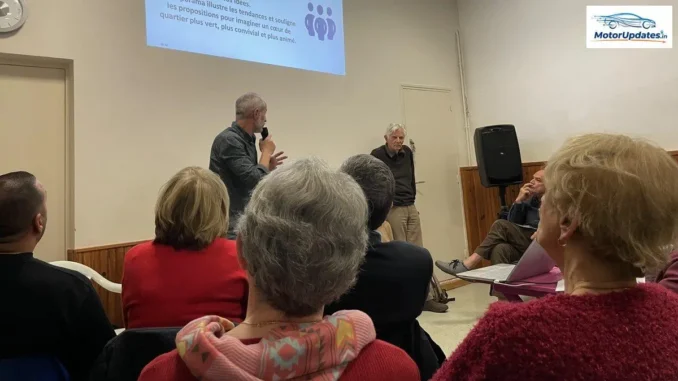
Who shaped the project? A local neighborhood committee drove the work, backed by residents and local officials. They collected ideas at a 2024 festival and via a survey. This gave the plan legitimacy.
Design Elements
What will the space include? Designers proposed benches, greenery, a misting fountain, and water features to cool the square. They sketched meeting points to encourage conversation. The design supports social life.
Survey Insights
What do residents prefer? Most people want places to rest, play, and celebrate together. They chose festivities, relaxation, children’s games, and pétanque as top uses. This guides the final layout.
Greening the Placette
Why add more vegetation? Trees and plants act like a sponge for heat and noise. They improve air quality and create visual appeal. Green makes public space welcoming.
Trees and Vegetation
How should greenery be used? Keep existing trees and add vertical gardens on façades. Plant face-to-face benches with planter-box backs to invite chats. Green benches can feel like living furniture.
Water Features
Can water help cool the square? Yes. A reflective pool or misting system reduces heat and invites play. It also becomes a focal point for gatherings. Water adds charm and comfort.
Reducing Car Traffic
Why cut down cars in the area? Cars crowd narrow streets and reduce safety. Reducing vehicle access makes room for pedestrians and bikes. Streets become calmer and more social.
Pedestrian Priority
How to favor people on foot? Reclaim pavement for walking and seating, using clear signage and safe crossings. Narrower lanes and better paving slow cars naturally. This changes the square’s rhythm.
Bike and Mobility Access
What about bikes and low mobility users? Add secure bike parking and ramped access for all. Include spaces for mobility scooters and strollers. This supports eco-friendly travel.
Social and Commercial Revival
Can shops bring life back? Yes. Residents unanimously want a bakery and more local shops. Independent commerce keeps daily rhythms alive. Shops anchor community activity.
Intergenerational Space
How to serve all ages? Design zones for kids, teens, adults, and seniors. Include play equipment, pétanque areas, and shaded seating. Mixed use boosts daily visits.
Organization and Participation
Who will refine the plan? The neighborhood committee will host public meetings to adjust designs. They will consult city services to ensure feasibility. Community feedback will shape final choices.
Coordination with City Services
Is the plan realistic? City technical services have validated initial feasibility, not costs. Next steps include formal meetings with municipal teams. This moves ideas toward execution.
Safety and Event Management
How will concerts and crowds be managed? Big events stress local streets and parking. Options include perimeter controls, shuttle tickets, and using park-and-ride spaces. Event plans must align with police and prefecture rules.
Real-world Examples
Where has this worked before? Small European squares often succeed when greened and pedestrianized. In one town, adding trees and benches doubled daily visits. These examples show the potential.
Implementation Steps
What happens next? Share the illustrated plan at public meetings. Adjust the design with resident input and technical advice. Then schedule phased work to limit disruption.
Conclusion
What are the key takeaways? La Placette’s plan focuses on more green and fewer cars to revive neighborhood life. It relies on community input, practical design, and city coordination. The aim is a warm, inclusive, everyday square.
See also: Massive Car VAT Fraud Scheme Uncovered in Toulouse
Leave a Reply