
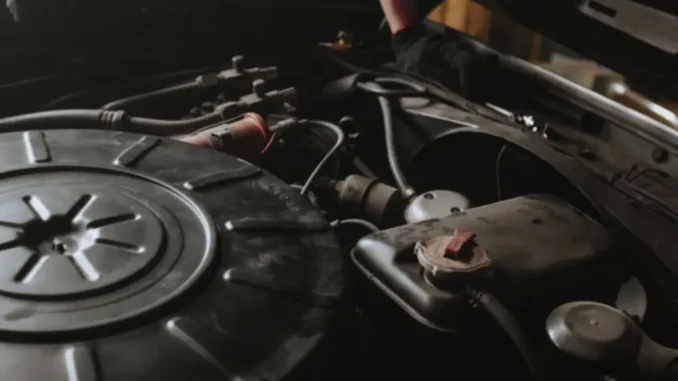
Are you frustrated by slow starts? A weak car battery often causes slow cranking, dim lights, and repeated dead batteries. Read on to spot the signs early.
Main warning signs your battery is weak
Slow engine crank when starting
Is the engine turning over slowly? When the starter drags and the engine sounds like “rurr, rurr,” the battery may lack cranking power. This is especially telling if it happens on mild days too.
Clicking sound, no start
Do you hear a rapid click but no crank? A single or rapid clicking noise usually means the battery cannot supply enough current to the starter. It’s a classic weak-battery symptom.
Needs frequent jump-starts
Are you charging the car often to get it going? Needing jumps after a drive suggests the battery isn’t holding charge anymore. That pattern rarely fixes itself.
Dim or flickering lights / weak electrical power
Are your headlights or cabin lights dim at idle? Dim, flickering, or sluggish accessories point to low battery voltage or poor output. Think of the battery as a phone with a low charge.
Battery or charging warning light
Is the battery-shaped light on the dash? That warning can mean the battery, alternator, or wiring has a fault that needs testing. Don’t ignore it while driving.
Trouble starting after sitting
Does the car struggle first thing in the morning? Hard starts after long rests suggest self-discharge or poor capacity. It often improves after driving a bit.
Loss of power or stalling while driving
Have you lost electrical power or stalled suddenly? Weak batteries and charging faults can cause intermittent power loss or engine stalls. Check this quickly for safety.
Visual and smell clues under the hood
Corrosion on battery terminals
Do you see white or green crust on terminals? Corroded connections reduce current flow and mimic low battery symptoms. Light corrosion cleans up, heavy buildup is worrying.
Swollen / warped battery case
Is the battery case bloated or distorted? A bulging case means overheating or internal damage and it’s unsafe to keep. Replace it right away.
Leaking or wet-looking battery, acid residue
Do you spot wet spots or crystals near seams? Leaks or residue show internal failure and risk further damage. Handle such batteries with care.
Rotten-egg / sulfur smell
Do you smell sulfur near the battery? A strong rotten-egg odor signals gassing or acid leaks and is a safety hazard. Avoid sparks and get professional help.
Age and usage clues
Old battery
Is the battery older than three years? Most car batteries last about three to five years depending on climate and use. Age alone makes failure more likely.
Pattern of short trips or heavy accessory use
Do you take lots of quick drives or run accessories without long drives? Short trips and heavy accessory load prevent full charging and shorten battery life. Think of it like never topping off your phone.
How to confirm a weak battery (vs alternator or starter)
Voltage check (simple guide)
Do you have a multimeter or a quick shop test? With the engine off, a healthy battery reads about 12.4–12.7 V; under 12.2 V is weak. With engine running, system voltage should be 13.7–14.7 V.
Symptoms pointing more to alternator than battery
Are lights brighter when you rev the engine? If brightness changes with engine speed or the battery light shows while driving, the alternator may be failing. A noisy alternator or burning smell also signals trouble.
Load testing and professional checks
Can you get a free test at a parts store? Many shops do a load and charging test that separates battery from alternator problems. That test gives the clearest answer.
What to do next
Quick checks you can do at home
Want fast troubleshooting steps? Clean corroded terminals, tighten clamps, and check cable condition first. These simple fixes sometimes restore reliable starts.
How to jump-start safely
Need a jump-start right now? Connect jumper cables in the correct order and follow safety rules to avoid sparks. Let the donor car run a few minutes before starting.
When to replace the battery
Unsure whether to change it now? Replace if it’s over three years old, shows swelling, leaks, or fails a load test. A new battery avoids roadside surprises.
Safety tips for battery handling
Are you working under the hood? Wear eye protection, avoid open flames, and disconnect the negative terminal first. Batteries contain acid and can emit flammable gas.
Conclusion
Key takeaways
Want a quick recap? Slow cranks, clicking starts, dim lights, and repeated jump-starts are clear signs of a weak battery. Check age, look for corrosion or swelling, and get a voltage or load test to confirm. Fix small issues early to avoid getting stranded.
If you’re experiencing other electrical issues, you might find our guide on why does my car battery keep dying helpful. See also: How to Check Engine Oil Level in Car.

Leave a Reply