
Electric Vehicles Face Off: 22 Models Tested on Real-World Range and Charging
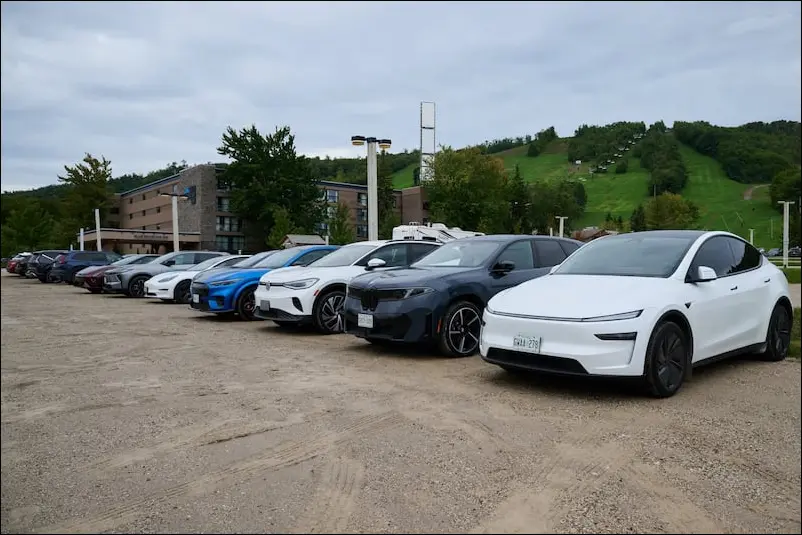
In a compelling summer event organized by CAA, 22 electric vehicles (EVs) tackled a standardized challenge unlike previous tests. Participants drove approximately 230 kilometers without pushing to total depletion. Instead, precise guidelines ensured safety: when battery levels dropped to 25%, drivers pulled over safely and notified organizers. Remarkably, all vehicles completed the route without assistance.
This test drew employees from CAA clubs across Canada and the US, plus automotive journalists. The goal? Reach a Tesla charging station and evaluate performance under controlled conditions.
Unpacking EV Manufacturer Claims
CAA’s Virée électrique aims to go beyond informing drivers—it’s about validating if EVs deliver on advertised range and charging speeds. “New EV owners often feel anxious about battery life and refueling,” notes a CAA mobility expert. “We test real-world charging: how long it takes, energy added under everyday scenarios.”
Strict protocols leveled the playing field:
- Adhere to speed limits (±5 km/h)
- No cruise control
- Cabin set to 21°C
- No heated seats
- Smooth acceleration
At the Tesla Supercharger, each got exactly 15 minutes to recharge, ensuring fair comparisons.
Surprising Charging Results After 15 Minutes
After the drive, vehicles were judged by added range from a quick 15-minute charge. Here’s the top performers:
| Model | Range Gained |
|———————-|————–|
| Lucid Gravity | 178 km |
| Hyundai Ioniq 5 | 136 km |
| Mercedes-Benz CLA EQ | 135 km |
| Nissan Leaf | 126 km |
| Volkswagen ID.4 | 125 km |
And the lowest gainers:
| Model | Range Gained |
|————————|————–|
| Lucid Air | 58 km |
| Chevrolet Equinox EV | 71 km |
| Chevrolet Silverado EV | 80 km |
| GMC Hummer EV SUV | 90 km |
| Tesla Model Y | 97 km |
Why These Results Vary: Key Factors Explained
Don’t judge too quickly—these numbers reveal nuances in EV tech, not overall quality.
Top Gainers Insights:
- Lucid Gravity: High consumption (around 29 kWh/100 km) drained the battery deeply, allowing faster initial uptake.
- Hyundai Ioniq 5: 800-volt architecture enables rapid charging.
- Nissan Leaf & VW ID.4: Smaller batteries hit low levels quicker, boosting charge acceptance.
Lower Gainers Explained:
- Lucid Air: Retained 67% battery post-drive, limiting charge rate to just 40 kW—very slow for its capacity.
- Larger-range models like Chevys, Hummer, and Model Y had more charge left, slowing top-up speeds.
Pro Tip for Buyers: Charge when battery is 20-50% for optimal speeds. High-voltage systems (800V+) shine in quick stops.
One tester’s Lucid Air started with 684 km estimated range—enough for the full trip without stopping!
Full List of Tested EVs
BMW iX3, Cadillac Lyriq, Chevrolet Equinox EV, Chevrolet Silverado EV, Ford Mustang Mach-E, GMC Hummer EV SUV, Hyundai Ioniq 5, Hyundai Ioniq 9, Hyundai Kona EV, Kia EV4, Lucid Air, Lucid Gravity, Mercedes-Benz CLA EQ, Nissan Leaf, Polestar 4, Rivian R1T, Tesla Cybertruck, Tesla Model 3, Tesla Model Y, Toyota bZ, Volkswagen ID.4, Volkswagen ID.Buzz.
Actionable Advice for EV Owners
- Plan Routes: Use apps like ABRP for realistic range accounting weather and style.
- Charging Strategy: Prioritize DC fast chargers; precondition battery en route.
- Daily Habits: Smooth driving extends range 10-20%.
This test highlights: No perfect EV, but informed choices match needs. Detailed results available via CAA (English).
Disclosure: Event logistics supported by CAA Club Group.