
Electric Vehicles Revolutionizing Africa’s Automotive Landscape
Africa is stepping into a transformative phase in transportation with the rise of electric vehicles (EVs). From groundbreaking exports of locally made EVs to the influx of global giants and booming two-wheeler sales, the continent’s EV sector is gaining momentum. Though still nascent, this market is drawing international manufacturers, innovative startups, and eager investors, signaling the dawn of a vibrant new industry.
Pioneering Exports from Tunisia
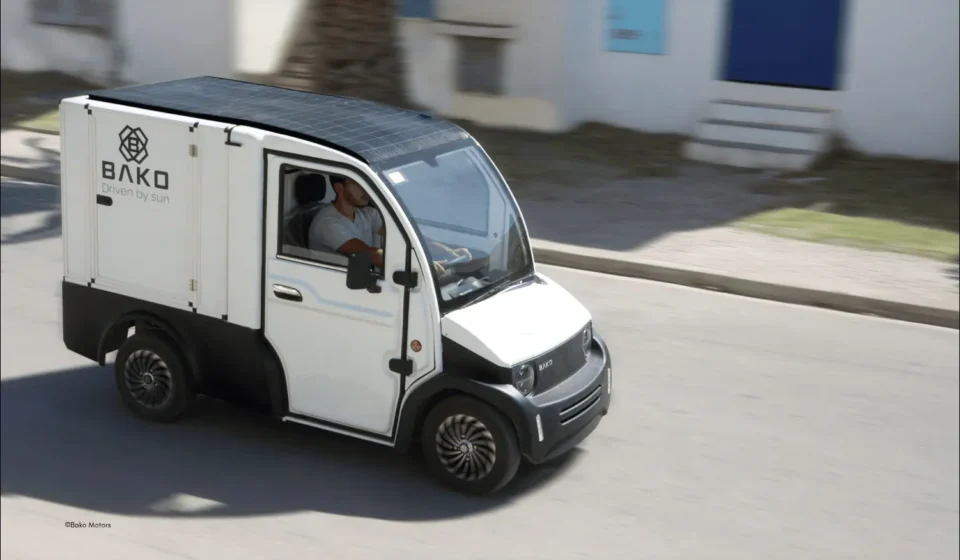
A landmark achievement came from Tunisia, where Bako Motors dispatched its first fully African-designed and built electric vehicle to Germany, following European certification and prior shipments to Italy. This move flips traditional trade patterns, showcasing Africa’s potential to produce competitive products for global markets. Leaders in the sector emphasize that ‘Made in Africa’ branding can drive success rather than serve as a barrier, highlighting robust local manufacturing capabilities.
Surging Market Growth Amid Global Boom
Globally, EV sales are exploding, projected to hit around 23 million units in 2026, capturing nearly 30% of new car sales worldwide. Africa lags behind but holds immense promise due to its low baseline. Regional sales skyrocketed from about 4,000 units in 2023 to nearly 25,000 in 2025. Key hubs include Egypt (around 7,900 units), Morocco (5,500), and South Africa (3,800), accounting for most activity.
Chinese powerhouse BYD is making waves by partnering with distributors like CFAO across countries such as Côte d’Ivoire, Senegal, Nigeria, Madagascar, and Kenya. Offering both pure EVs and plug-in hybrids, BYD views Africa as ripe for a ‘leapfrog’ in mobility, akin to mobile banking’s impact. With rapid urbanization and a growing middle class prioritizing cost savings and eco-friendliness, the timing is ideal.
Tailored Solutions for African Needs
Unlike mature markets, Africa’s mass EV adoption will favor practical, durable, affordable, and easy-to-maintain vehicles suited for urban chaos and last-mile delivery. Companies like Bako Motors are leading with lightweight, versatile models that prioritize stability on rough roads and adaptability for various loads, outshining typical two- or three-wheelers in safety and capacity.
Unlocking Economic Potential
The EV shift offers Africa a chance to integrate into high-value global supply chains. The continent boasts critical minerals: 75% of world manganese, 70% cobalt, and 20% copper. Yet, it captures under 1% of clean energy tech value. Success lies in moving beyond raw exports to processing, battery production, electronics, software, and charging infrastructure.
Experts advocate ‘green industrial policies’ that boost R&D—currently just 0.38% of sub-Saharan GDP versus 2.55% in Europe/North America. Start with assembly, then scale to strategic components like batteries, which make up 30-40% of an EV’s cost amid 7,000 total parts.
Côte d’Ivoire: Building a Regional Hub
Côte d’Ivoire is positioning itself strongly, leveraging its economic clout and reliable energy mix for cost-effective, green driving. Over 100 charging stations are operational, with more coming, and electrified vehicles exceed 1,000. The APEME association unites stakeholders—from dealers to governments—while training programs emerge for EV maintenance.
Recent regulations support network expansion, and a 10% green administrative fleet target by 2030 is set. However, lacking tax incentives hinders progress against cheap used imports (60% of annual fleet additions). Policymakers are engaging to create a level playing field.
Booming Two- and Three-Wheelers
Beyond cars, electric two-wheelers surged to 70,000 sales in 2025—over 80 times decade-start levels—while three-wheelers claimed over 25% of light vehicle sales. These are perfect for dense cities and deliveries, accelerating adoption where infrastructure is limited.
Environmental and Infrastructure Challenges
EVs promise cleaner air and better public health in smog-choked cities. But success hinges on sustainable power sources and grid upgrades. With 600 million Africans lacking reliable electricity, energy access is foundational. Pair EV growth with renewables and smart grids for holistic gains.
Actionable Steps for Stakeholders
- Governments: Introduce EV tax breaks, subsidize charging networks, and invest in mineral processing.
- Businesses: Focus on local assembly partnerships and R&D for rugged designs.
- Investors: Target startups in last-mile logistics and battery tech.
- Consumers: Opt for affordable models with long warranties to build confidence.
Africa’s EV journey is just beginning, poised to blend innovation, industry, and sustainability for a brighter mobility future.