
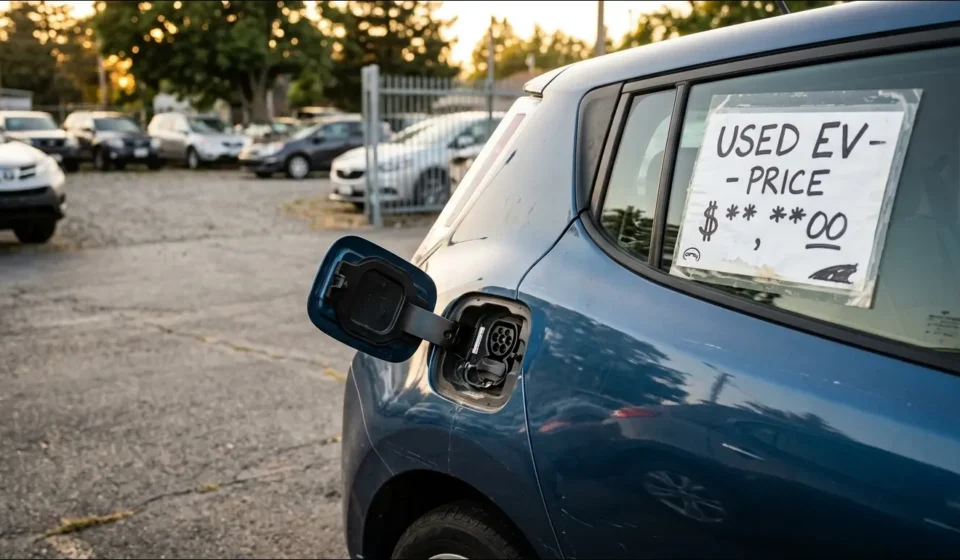

New Subsidy Makes Used Electric Vehicles More Affordable from September 1
Purchasing a second-hand electric car is about to get a financial boost in France. A recent government decree, published in the Official Journal, introduces a subsidy that could save buyers hundreds of euros. This incentive targets everyday drivers looking to switch to greener transport without breaking the bank. Let’s break down the details, eligibility rules, and how much you might receive based on your circumstances.
Boosting Access to Pre-Owned EVs
The French government is ramping up efforts to promote electric mobility across all market segments. While new electric cars have long enjoyed purchase bonuses, the used market—popular among budget-conscious buyers—has lagged behind. Now, that’s changing with a fresh initiative.
Starting September 1, 2026, buying or leasing a used electric vehicle from a professional dealer qualifies for funding through Energy Savings Certificates (CEEs). These certificates, in place since 2005, require energy suppliers like EDF and TotalEnergies to support eco-friendly projects under a ‘polluter pays’ model. This move aligns with national goals to cut transport emissions and enhance energy independence, as outlined in recent electrification strategies.
For many French households, used EVs offer a practical entry point: lower upfront costs, proven reliability, and access to charging incentives. Popular models like the Renault Zoe or Peugeot e-208 often fall into affordable price ranges, making this subsidy timely.
Base Amount of €337, with Boosts for Key Workers
The standard subsidy kicks off at approximately €337 per vehicle, tied to the current CEE valuation. Keep in mind, this figure can fluctuate with market prices for certificates, similar to other variable auto incentives.
However, the real perks shine for specific professions. Until the end of 2026, home care workers and personal service providers can multiply their award—potentially reaching €2,000 to €2,360. To qualify:
- Purchase or lease from a dealer.
- Vehicle price under €25,000 (excluding high-end options, but covering most compact used EVs).
Actionable Tip: Check your professional status via official registries. Nurses, caregivers, or childminders often qualify—verify with your employer or the government’s CEE portal before shopping.
Special Support for Taxi Operators
Taxi drivers get their own enhanced package under a parallel decree. For new electric vehicles ordered between September 1 and December 31, 2026:
- Base aid: around €3,500.
- Up to €5,500 if both vehicle and battery are European-made.
This encourages local manufacturing and fleet electrification. Pro Tip: Taxis can’t combine this with the used EV subsidy—review both to pick the best fit. Plan orders early to meet the tight deadline.
Key Takeaways and Next Steps
These targeted aids prioritize high-mileage users like caregivers and cabbies, reflecting a shift from broad rebates to precise support. While amounts vary, even the base €337 reduces ownership costs significantly.
Practical Advice for Buyers:
- Use dealer locators for CEE-eligible used EVs.
- Compare total costs including warranties and battery health checks.
- Simulate your subsidy on the official CEE website.
- Act fast—stock moves quickly in the used EV market.
This initiative could tip the scales for hesitant buyers, accelerating France’s green transition. Whether you’re a daily commuter or professional on the road, explore these options before September.