Volkswagen ID. Polo in Winter: Real-World Range, Charging Times, and Essential Tips

Understanding Winter Performance for the Volkswagen ID. Polo
When temperatures drop, electric city cars like the Volkswagen ID. Polo experience noticeable changes in driving range and charging speed. Factors such as outdoor temperatures, driving patterns, cabin heating needs, and charger power play key roles. For daily urban and suburban use, it’s essential to look beyond lab-tested WLTP figures and plan based on everyday realities.
Insights from Cold-Weather Driving Tests
Real-world winter tests highlight the gap between certified range and what drivers actually achieve. Cold air forces the battery to work harder, extra energy goes to heating the interior and keeping the battery at optimal temperatures, and frequent short city trips add inefficiency. This remains a top concern for city dwellers eyeing compact EVs for year-round practicality.
Official specs for the ID. Polo include up to 453 km WLTP depending on trim and options, with the 37 kWh versions (116 hp or 135 hp) rated at 323 km and 331 km WLTP respectively. These help compare models but don’t capture a typical cold week’s mix of commutes, outdoor parking, and sporadic charging.
Reasons for Reduced Range in Cold Weather
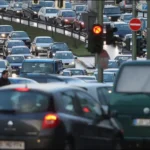
It’s normal for EV range to shrink in winter. Chilled batteries charge and discharge less efficiently, cabin heaters draw significant power—especially in compact cars on brief drives—and outdoor parking means starting each day with a cold pack. City driving with its stops and starts, defrosting, and short loops amplifies this, while steadier suburban speeds can help if you avoid aggressive acceleration and preheat properly.
The ID. Polo’s MEB+ platform features advanced software, intuitive one-pedal driving, and energy recovery that shines in varied conditions.
Estimating Real-World Winter Range Loss
Exact losses vary by scenario, so avoid blanket predictions. Urban drivers with short trips, no preheating, and street parking face steeper drops than those with longer routes, preconditioning, and regular plugs-ins. Start from official WLTP by battery size (37 kWh vs. 52 kWh), then factor in a safety buffer for winter.
Smaller batteries offer less buffer for cold days, while larger ones provide more flexibility for mixed driving.
Why Charging Takes Longer in Winter
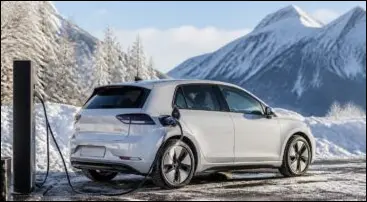
Cold batteries limit peak charging rates, even on fast DC stations. Actual times hinge on starting battery temp, charge level, and station output. One driver might top up quickly after a warming drive, while another waits longer post-short cold trip.
ID. Polo peaks at 90 kW DC for 37 kWh packs and 105 kW for 52 kWh, backed by an 8-year/160,000 km warranty to 70% capacity. Peaks aren’t constant, especially in cold snaps—a pre-drive warmup can help.
Practical Tips to Combat Winter Effects on ID. Polo
Focus on simple routines over chasing specs. VW’s user-friendly controls make these easy:
- Preheat cabin and battery while plugged in to save driving energy.
- Bundle short trips when possible.
- Drive gently until warm to cut peak draws.
- Charge after drives when the pack is warmer.
- Monitor remaining range in km, not just %.
ID. Polo’s Place in the Compact EV Market
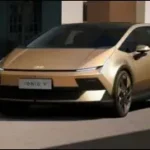
Winter viability goes beyond numbers—consider space, versatility, and daily comfort. The ID. Polo stands out with 5 seats and up to 435 liters of trunk space, ideal for families blending city runs and suburbs.
| Feature | Volkswagen ID. Polo | Winter Benefit |
|———————-|———————————-|—————————————–|
| WLTP Range | Up to 453 km | Baseline for version comparisons |
| Entry Battery | 37 kWh | Sets daily cold-weather reserve |
| Larger Battery | 52 kWh | Extra margin for urban/suburban mix |
| Fast DC Charging | 90-105 kW | Cuts stop times at quick chargers |
| Battery Warranty | 8 years/160,000 km to 70% | Long-term reliability assurance |
| Trunk Space | Up to 435 liters | Supports family daily needs |
Key Considerations Before Deciding
Winter tests inform but don’t define. Single-run data misses varied uses: pure city, mixed, or highway. Cross official specs with your weather, parking, and mileage. Pricing adds context—entry models start competitively with incentives—but match to your recharges, parking, and cold tolerance.
FAQ: ID. Polo Winter Range and Charging
What’s realistic mixed-use range for modern compact EVs?
Expect less than WLTP, varying by cold, speed, hills, heat use, and trip length. For ID. Polo, use official figures as a start, then adjust for your winter routine.
Why do charging times differ across EVs?
Battery size, peak power, temps, and station quality affect curves. Cold starts slow things; ID. Polo’s 90-105 kW DC varies by real conditions.
Is frequent fast charging okay for city EVs?
Fine occasionally, but mix with AC for best longevity. ID. Polo’s warranty supports balanced use.
How to charge from an apartment without private parking?
Map nearby public stations fitting your routine. Winter amps up planning needs for the ID. Polo’s city focus.
Confirming local charger compatibility?
Check connectors (AC/DC), power match, and daily access. ID. Polo handles common fast DC well.
Best compact EV for city + suburbs?
Seek balance in range, charge speed, space. ID. Polo fits with its roomy design and solid winter margins.