Chinese Carmakers Projected to Build 1.5 Million Vehicles Yearly in Europe by 2035

Chinese Carmakers Eye 1.5 Million Annual Vehicle Output in Europe by 2035
Projections indicate a dramatic rise in local vehicle production by Chinese automakers on European soil. Starting with around 90,000 units in 2026, output could surge to one million by 2030 and hit 1.5 million annually by 2035. This shift signals a major pivot: instead of just shipping vehicles from China, brands are investing in European factories to build them closer to home.
These forecasts from industry analysts highlight how Chinese manufacturers are adapting to Europe’s evolving market dynamics. Success hinges on factory launches, market demand, regulatory changes, and investment commitments.
Why Local Production Makes Strategic Sense
The push began with the European Union’s additional tariffs on battery-electric vehicles imported from China, implemented in late 2024 after a subsidies probe. These duties make direct imports costlier, prompting a rethink.
Building locally offers multiple perks:
- Tariff Avoidance: Assembled vehicles in the EU often sidestep import duties.
- Lower Logistics Costs: Reduced shipping expenses and faster delivery times.
- Better Customer Ties: Proximity aids marketing, service networks, and feedback loops.
For European buyers, this could mean more affordable electric vehicles with localized support. Policymakers might consider incentives like tax breaks to attract these investments while safeguarding local jobs.
Spotlight on Major Factory Initiatives
Several Chinese giants are advancing plans across the continent:
Chery and Ebro in Barcelona, Spain
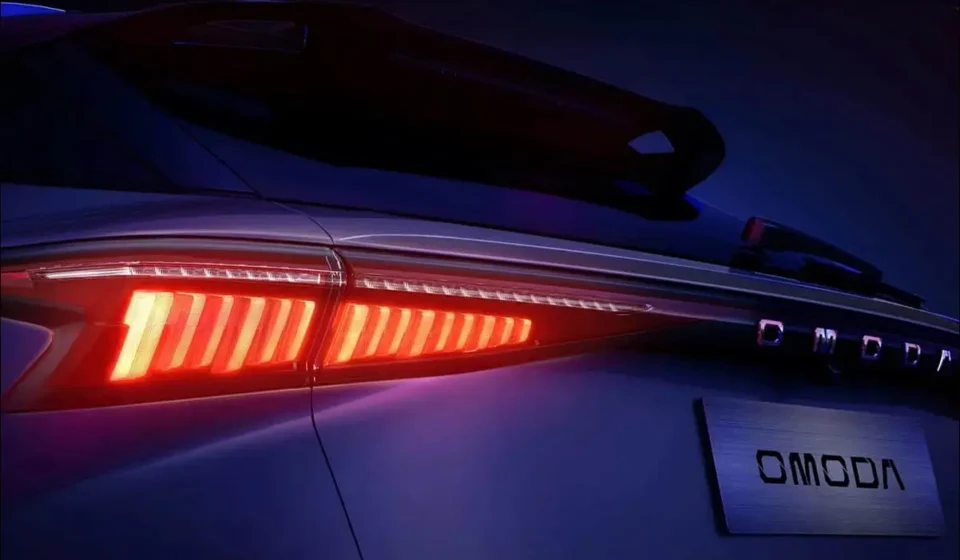
Chery, partnering with local firm Ebro, is repurposing the former Nissan plant for models like Omoda and Jaecoo. Production ramps up late 2026 or early 2027, blending Spanish and Chinese expertise.
Leapmotor with Stellantis in Figueruelas, Spain
Through a joint venture, Leapmotor eyes producing its B10 model at Stellantis’ Zaragoza facility starting 2026, leveraging existing infrastructure.
BYD’s Hungarian Push
BYD’s Szeged plant targets Q4 2026 startup with the Dolphin Surf as flagship. A second site is in scouting, though a Turkish project paused in mid-2026.
Geely and Ford in Valencia, Spain
A 2026 joint venture at Ford’s plant will assemble two Geely EVs from 2028.
SAIC’s MG in Galicia, Spain
MG commits €200 million for a 2028 launch, aiming for 120,000 units yearly.
Spain and Hungary lead in attracting these projects, thanks to competitive incentives and skilled workforces.
The Critical Divide: Assembly Lines vs. Full Supply Chains
Local assembly is a smart first step, often using CKD (completely knocked-down) kits shipped from China. This quick-starts output while dodging full tariffs—but key parts like batteries, motors, and electronics still come from Asia.
True localization means shifting those components too, capturing more economic value:
- Job Creation: Assembly employs hundreds; full manufacturing thousands.
- Value Retention: Keeps wealth in Europe.
Analysts predict up to 90% localization by 2035, boosting Europe’s EV ecosystem. For investors, tip: Watch supply chain announcements for high-growth opportunities.
France’s Potential Role in the Surge
With a robust auto sector and growing battery tech, France has prime assets. Yet, aggressive rivals like Spain offer sweeter deals. To compete:
- Streamline permits.
- Offer green energy subsidies.
- Foster public-private battery partnerships.
Missing this wave risks ceding jobs and innovation to neighbors.
What This Means for Europe’s Auto Landscape
If projections hold, Chinese brands could claim a hefty slice of EU output, challenging incumbents and accelerating EV adoption. Consumers gain options; workers, new roles in electrified plants. Stay tuned as regulations and sales evolve—local production could redefine ‘made in Europe.’