
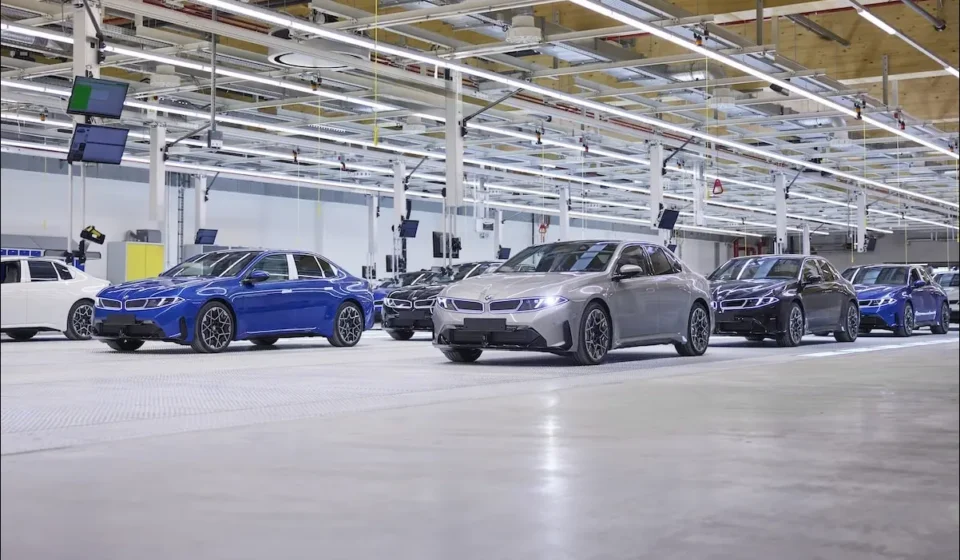

BMW Celebrates 2 Million Electric Vehicles Sold: A Game-Changer for the Brand
BMW Group has reached a significant milestone by delivering its two millionth fully electric vehicle to customers worldwide. This achievement underscores the brand’s rapid shift toward electrification, starting from the pioneering i3 model launched over a decade ago. The landmark vehicle, an i5 M60 xDrive, rolled off the production line at the Dingolfing plant in Germany and was handed over to an eager buyer in Spain.
When including plug-in hybrids, the total electrified vehicles sold since 2013 climbs to around 3.5 million. These numbers reflect not just volume but a strategic pivot that’s reshaping BMW’s portfolio and market position.
Surging Sales: Electrified Vehicles Dominate BMW’s Lineup
In the first half of 2026, electrified models accounted for more than one in every four BMW vehicles sold globally. Drilling down to Europe, the heart of EV adoption, fully electric models made up nearly 28% of total sales. This isn’t a fleeting trend—it’s a clear signal that battery-electric vehicles (BEVs) are becoming a cornerstone of BMW’s growth.
For context, this growth outpaces many competitors and aligns with tightening global emissions regulations and consumer demand for sustainable mobility. BMW buyers are increasingly opting for zero-emission options without sacrificing the performance and luxury the brand is renowned for.
The Neue Klasse Revolution: iX3 Leads the Charge
At the forefront of this electric surge is the Neue Klasse platform, BMW’s next-generation EV architecture promising superior efficiency, range, and charging speeds. The iX3 has been a standout success since its debut. In Europe, one out of every three electric BMWs ordered is an iX3, and remarkably, half of all X3 family orders now go to this electric variant.
Approaching 100,000 orders already, the iX3 demonstrates how BMW is blending familiar SUV appeal with cutting-edge electric tech. Production of the all-new i3 Neue Klasse has also kicked off at the Munich facility this summer, signaling an expansion that will bring more affordable electric sedans to the market.
These models aren’t just selling—they’re redefining customer expectations. For instance, the iX3 offers competitive range, rapid acceleration, and advanced driver aids, making it a practical choice for families transitioning from gas-powered SUVs.
BMW’s Balanced Approach: EVs as a Growth Engine, Not the Only One
BMW remains committed to a multi-powertrain strategy, offering combustion engines, plug-in hybrids, and full electrics to meet diverse customer needs. However, with BEVs driving 28% of European sales, it’s evident that electric vehicles are no longer an experiment but a primary growth driver.
This balanced portfolio gives BMW flexibility amid varying market conditions, supply chain challenges for batteries, and infrastructure development. Looking ahead, the Neue Klasse lineup—including upcoming models like the iX3 successor and i3—positions BMW to capture a larger share of the premium EV segment.
Why This Matters for BMW’s Future
Hitting 2 million EVs sold validates BMW’s early investments in electrification. It boosts brand image as an innovator, attracts tech-savvy buyers, and future-proofs the company against regulatory pressures like the EU’s 2035 combustion ban.
For potential buyers, this milestone means more choices, better resale values for EVs, and expanding charging networks tailored to BMW’s ecosystem. If you’re considering an electric BMW, models like the iX3 offer a low-risk entry with proven reliability and performance.
In summary, electric vehicles are pivotal for BMW—not just a trend, but the engine propelling its next era of success.