
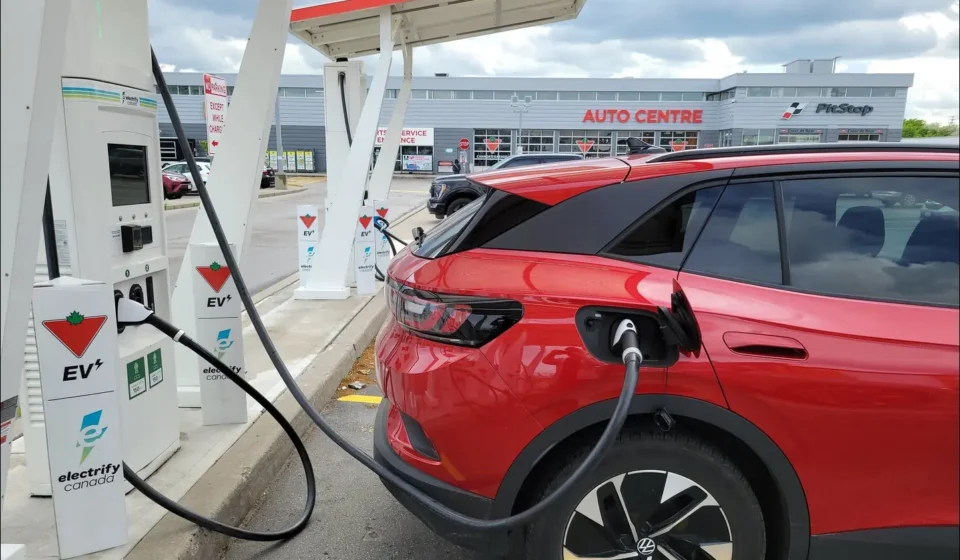
Quebec’s New Interactive Tool Proves EVs Outshine Gas Cars Ecologically and Economically

Discover Quebec’s Game-Changing Tool for Comparing EV and Gas Car Environmental Impacts
Ever wondered which leaves a smaller mark on the planet: an electric vehicle (EV) or a traditional gas-powered car? A fresh interactive tool from Quebec dives deep into this question, offering clear, data-driven insights tailored to the province’s unique energy landscape.
Developed by Pareto, a think tank focused on sustainable transitions, this free online calculator aims to cut through the noise. It draws from up-to-date lifecycle studies—covering everything from raw material extraction to end-of-life disposal—and factors in Quebec’s clean hydropower grid from Hydro-Québec, which has one of the lowest carbon intensities worldwide.
Key Features of the Tool
Users can tweak variables like fuel efficiency, battery size, driving distance, and electricity rates to personalize comparisons. Default settings pit a mid-size gas sedan (using about 6.8 liters per 100 km) against a compact EV (16 kWh per 100 km with a 60 kWh lithium-iron-phosphate battery)—think Toyota Corolla versus Tesla Model 3 base model—over 300,000 km of driving.
Greenhouse Gas Emissions: A Clear Winner
Lifecycle emissions tell the story. The EV racks up just 5.7 metric tons of CO2 equivalent, with the battery accounting for 3.7 tons. In stark contrast, the gas car hits 68.3 tons—mostly from fuel production and tailpipe exhaust.
That’s a whopping 12-fold reduction for the EV. Even better, the upfront ‘carbon debt’ from battery manufacturing gets offset after only 14,000 km. Pro tip: Plug in your own annual mileage to see exactly when your potential EV switch pays off environmentally.
Wallet-Friendly Over Time
Upfront costs for EVs might be higher post-incentives, but operating expenses flip the script. Over 300,000 km:
- Gas car: ~$50,000 in fuel (at $1.75/L)
- EV: ~$8,000 in electricity (at 10.5¢/kWh residential rate)
Savings? A cool $42,000. Actionable advice: Calculate your commute costs using the tool and factor in home charging perks for even bigger wins.
Broader Environmental Wins
- Water Use: EVs sip less—3x lower overall. Battery lithium extraction needs 11 cubic meters, but oil refining guzzles 35 cubic meters per equivalent.
- Human Health: Gas cars’ exhaust contributes to 1,200 premature deaths yearly in Canada from air pollution.
- Land Footprint: Surprisingly, EV supply chains (including renewables and battery plants) use less space than oil infrastructure like refineries and pipelines.
The Mineral Question
One area where gas edges out slightly: raw minerals. EVs demand more lithium, copper, graphite, and aluminum for batteries. However, including rare metals in gas car catalysts (platinum, palladium) narrows the gap significantly. Modern LFP batteries help too, and recycling rates are rising.
Insight: The tool uses current industry data, avoiding outdated myths, and Pareto commits to regular updates as mining and battery tech evolve.
Why This Matters Now
As governments recalibrate EV targets, this tool arms consumers and policymakers with Quebec-specific facts. EVs aren’t perfect—no car beats walking, biking, or transit—but they crush gas guzzlers across nearly every metric.
Get Started: Head to Pareto’s site, input your vehicle details, and explore scenarios. It’s a straightforward way to make informed choices for a greener drive.
This resource empowers smarter decisions, sparking informed discussions on the road to sustainability.