Electric Heavy Trucks Ignite a Green Revolution: 86% Global Sales Surge Signals Bright Future

Electric Heavy Trucks Charge Ahead: A Surprising Market Boom
Electric trucks and buses, once dismissed as impractical for heavy-duty work, are now accelerating toward mainstream adoption. Global sales of zero-emission models skyrocketed by 86% last year, surpassing 520,000 units. Battery-electric vehicles lead this charge, defying earlier skepticism about their viability for demanding freight and transit routes.
Rising diesel costs and supply concerns have accelerated the shift, while breakthroughs in battery technology have tackled key hurdles like weight and range. However, scaling charging infrastructure remains a critical next step for widespread rollout.
From Skepticism to Reality: Why Heavy EVs Were Overlooked
For years, experts doubted battery electrics could handle long-haul trucking. Passenger cars seemed feasible for daily commutes, but trucks needed superior range, rapid refueling, and maximum payload. Batteries appeared too heavy, bulky, and slow to recharge, pushing alternatives like hydrogen or biofuels into focus.
Urban buses looked promising with fixed routes and downtime for charging, but freight seemed locked into fossil fuels. That narrative has flipped dramatically, driven by real-world market data.
Explosive Growth in Global Sales
Recent figures from the International Council on Clean Transportation highlight the surge: zero-emission medium- and heavy-duty vehicles hit over 520,000 sales worldwide in 2025, up 86% from the prior year. Battery electrics dominate, especially in trucks.
China spearheaded this, accounting for about 90% of sales with 457,300 units. Battery-electric trucks alone reached 240,000, capturing nearly 30% of the domestic heavy truck market—doubling year-over-year.
Europe is gaining momentum too. Zero-emission truck registrations jumped from 2.5% to 4.5% of new sales, while battery-electric buses rose from 18.5% to 24.8%. Though volumes trail diesel fleets, the trajectory signals a tipping point.
China’s Tech Edge Overcomes Major Barriers
Chinese innovations have shattered perceived limits. Advanced batteries are lighter and denser, boosting range without sacrificing payload. Models now deliver 300-500 miles per charge, suitable for regional hauls.
Battery swapping stations, common in mining, ports, and dedicated freight corridors, enable refuels in minutes. Standardized swaps minimize downtime, proving ideal for high-utilization fleets.
Government incentives, purchase subsidies, and a hyper-competitive battery supply chain—with massive overcapacity driving prices down—fuel this boom. A single truck battery pack costs have plummeted, making total ownership cheaper than diesel over time.
Real-World Examples
- BYD and Yutong: Dominate bus and truck segments with modular batteries supporting swaps.
- Tesla Semi: Pilots show 500-mile range with 1.7 kWh/mi efficiency.
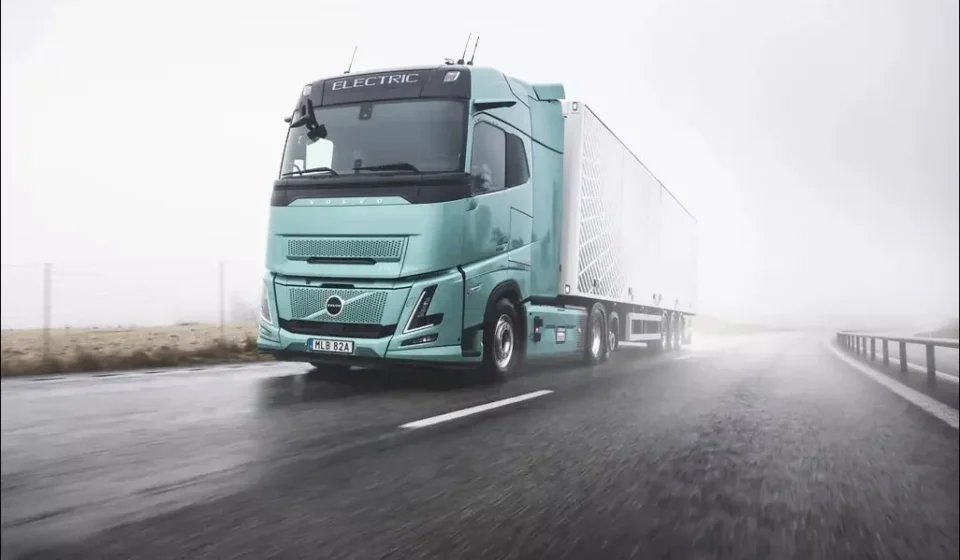
- Europe’s Volvo FH Electric: Up to 300 km range, expanding to longer versions.
Infrastructure: The Next Frontier
With vehicles ready, the focus shifts to support systems. Depot charging demands grid upgrades for megawatt-scale power. Public highways need ultra-fast chargers (350 kW+).
Progress is underway: China deploys swap networks rapidly, while EU mandates like CO2 standards push investments. Fleets can start with depot-based operations, scaling to highways.
Actionable Steps for Fleet Operators
- Assess Routes: Prioritize regional/urban ops under 300 miles daily.
- Calculate TCO: Factor in lower fuel (electricity vs. diesel) and maintenance savings—up to 50% reduction.
- Pilot Swapping: For fixed routes, invest in or join swap ecosystems.
- Monitor Incentives: Tap subsidies in China/EU/US (e.g., IRA tax credits).
- Plan for Infra: Partner with utilities for site upgrades.
Electric heavy-duty transport isn’t just feasible—it’s scaling fast. As costs fall and infrastructure catches up, diesel’s dominance will erode, paving the way for a cleaner logistics future.