

Choosing the Right Premium SUV for Your Business in 2027
Business leaders often prioritize luxury, performance, and prestige when selecting a premium SUV. However, in 2027, fiscal efficiency will play a pivotal role in the decision-making process. While plug-in hybrids offer some benefits over traditional gasoline or diesel options, fully electric vehicles (EVs) are poised to deliver superior tax advantages and overall cost savings for companies.
The Edge of Electric Over Hybrids
Plug-in hybrids can lower CO2 emissions compared to pure internal combustion engines, potentially reducing certain penalties. Yet, for heavier premium SUVs, they still face substantial weight-based taxes that can inflate operational costs.
Fully electric SUVs, on the other hand, produce zero tailpipe emissions. This exempts them from many environmental levies that burden thermal and hybrid models. Additionally, EVs often receive preferential treatment on vehicle weight taxes, making them a smarter fiscal choice despite their battery-induced heft.
Evaluating Total Ownership Costs
Don’t just focus on the sticker price—which for premium EVs typically ranges from $65,000 to $85,000. Consider the full picture:
- Financing and Amortization: Leasing options like long-term rentals help spread costs and avoid resale risks.
- Insurance: Comparable or slightly higher, but offset by other savings.
- Maintenance: EVs shine here with fewer moving parts, leading to 30-50% lower service bills.
- Energy: Home or workplace charging costs a fraction of fuel expenses—often under $0.15 per kWh versus $4+ per gallon equivalent.
- Taxes: Major wins for EVs.
Practical Tip: Use online TCO calculators tailored to your country’s incentives. For instance, charging overnight at home could save a business $2,000+ annually on a high-mileage SUV.
Benefit-in-Kind Perks for Executives
If the SUV doubles as a personal vehicle, the benefit-in-kind (BIK) valuation is crucial. Through 2027, qualifying EVs enjoy special reductions—sometimes up to 50% off the taxable value—lowering both personal and corporate tax liabilities.
Actionable Advice: Verify eligibility with your tax advisor. Pair this with company charging stations to maximize deductions on electricity costs.
Financing Strategies for Optimal Control
Leasing (LLD-style) is ideal for firms refreshing fleets every 2-4 years, locking in predictable payments and including maintenance. Purchasing suits long-term retention, especially with improving battery warranties up to 8 years/100,000 miles.
Pro Tip: Negotiate fleet deals for volume discounts and bundle with charging infrastructure for extra rebates.
Why Skip the Hybrid Compromise?
Hybrids suit ultra-long hauls where charging infrastructure lags, but for most executives—with ranges now exceeding 450 miles WLTP on premium models—EVs provide better fiscal optimization without compromise.
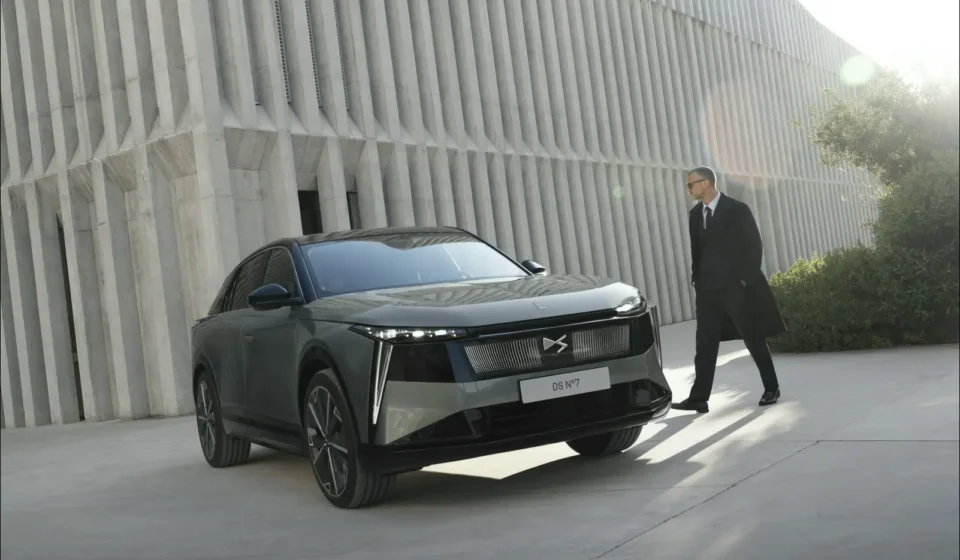
Consider high-end electric SUVs boasting refined interiors, rapid acceleration, and autonomous features. Models with 700+ km range blend luxury with practicality, perfect for boardroom-to-client-site commutes.
In 2027, savvy leaders will choose EVs not just for sustainability, but for the tangible bottom-line impact. Prioritize electric to drive your business forward—efficiently and elegantly.