
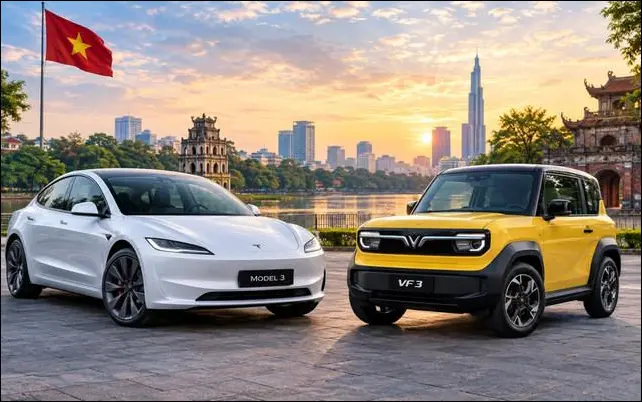
Tesla Establishes Vietnam Subsidiary: Entry into EV Sales and Potential Factory Future?

Tesla Launches New Subsidiary in Vietnam: A Gateway to the EV Market?
Tesla has taken a significant step into the Southeast Asian market by officially registering a new company in Vietnam. This move establishes a formal foothold in a nation with a rapidly growing appetite for electric vehicles (EVs). While initial activities focus on sales and distribution, many are speculating whether this could evolve into deeper industrial involvement.
Establishing a Local Presence
In a recent development, Tesla Motors Vietnam was set up in Ho Chi Minh City with an initial capital of around $3 million. This entity is authorized to handle wholesale and retail vehicle sales, parts distribution, import-export operations, and related automotive services. Before this, Tesla vehicles like the Model 3, Model S, and Model X were available only through independent importers, limiting the brand’s reach and support.
This setup signals Tesla’s intent to build a structured sales network, potentially including showrooms, service centers, and charging infrastructure. No specific launch dates or expansion plans have been confirmed yet, but it’s a clear foundation for future growth.
Vietnam’s Booming EV Sector
Vietnam’s automotive market is shifting gears toward electrification. Government incentives, rising fuel costs, and environmental awareness are driving demand. Local players like VinFast are already producing EVs domestically, while international brands eye the market’s potential. Tesla’s entry comes at a pivotal time, as EV adoption surges—sales jumped significantly in recent years, with projections for even faster growth.
For consumers, this means more choices. Imagine zipping through Hanoi or Ho Chi Minh City in a Tesla, supported by a growing network of fast chargers. Practical tip: Keep an eye on Vietnam’s EV roadmap, which aims for 30% EV market share by 2030, influencing import tariffs and subsidies.
Fitting into Tesla’s Southeast Asia Puzzle
Tesla already operates in neighbors like Thailand, Malaysia, Singapore, and the Philippines, offering sales, services, and Superchargers. However, manufacturing remains concentrated in the US, China, and Germany—no factories yet in the region.
Vietnam stands out due to its manufacturing prowess. It’s a hub for electronics giants like Samsung and Intel, with strengths in batteries, motors, and auto parts. Tesla could leverage this for supply chain efficiencies, reducing logistics costs from China. For instance, local firms might supply wiring harnesses or casings, mirroring how Foxconn supports Apple in the area.
From Sales to Supply Chain Integration?
Short-term: Expect imported Teslas hitting dealerships soon, competing with BYD and Hyundai. Long-term: Vietnam’s skilled workforce (over 1 million in manufacturing) and free trade agreements (like CPTPP) make it attractive for assembly or component production.
Benefits for Vietnam include job creation—think thousands in EV tech roles—technology transfer, and boosted exports. Actionable insight for businesses: Vietnamese suppliers should invest in EV certifications (e.g., ISO 26262 for automotive safety) to partner with Tesla.
No production plans are announced, but precedents like Tesla’s Shanghai Gigafactory show how market entry can lead to factories.
Navigating Challenges in a Competitive Arena
Success hinges on infrastructure. Vietnam needs more public chargers—currently sparse outside cities—and reliable service networks. Tesla’s direct-to-consumer model could shine here, offering over-the-air updates and app-based support.
Competition is fierce: VinFast’s affordable EVs and Chinese imports pressure pricing. Tesla must adapt with right-hand drive models (Vietnam drives on the right) and local financing options.
For the economy, attracting Tesla could spark a virtuous cycle: more EVs mean greener cities, reduced oil imports, and innovation hubs. Policymakers might sweeten deals with tax breaks, as seen in Thailand’s EV incentives.
In summary, Tesla’s Vietnam venture starts with commerce but hints at industrial ambitions. Watch for showroom openings and supplier deals—they’ll reveal the bigger picture. This could redefine mobility in one of Asia’s hottest markets.