
Shocking Tesla Hack: Glasses That Fool the Driver Monitoring System
Tesla’s Full Self-Driving (FSD) and Autopilot features rely heavily on advanced driver monitoring to ensure safety. But recent demonstrations have revealed a startling vulnerability: special glasses that can trick the in-cabin camera into thinking the driver is paying attention, even while napping at highway speeds like 100 km/h (about 62 mph). This raises serious questions about the reliability of these systems and the importance of human vigilance behind the wheel.
Understanding Tesla’s Driver Monitoring
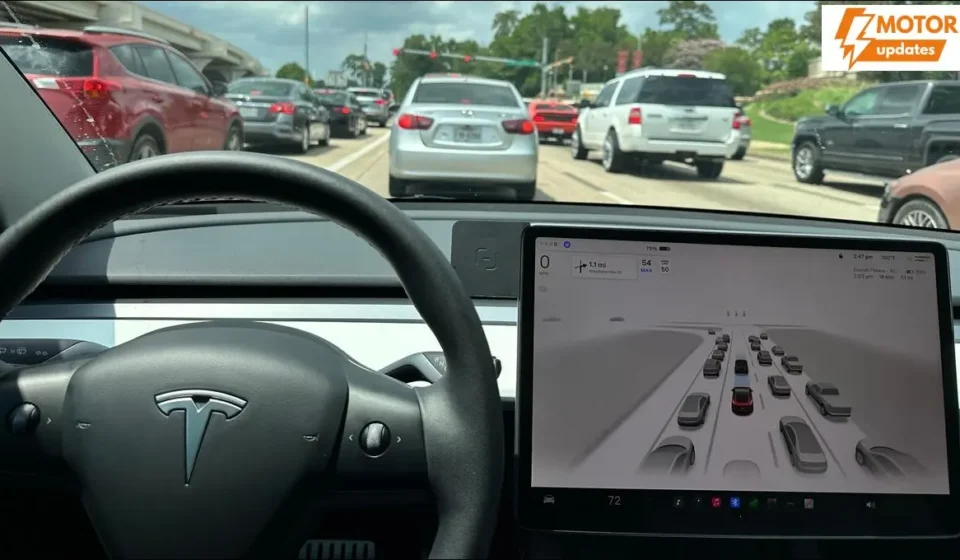
Tesla vehicles equipped with FSD use a cabin-facing camera to track eye movement, head position, and hand placement on the wheel. The system issues warnings, slows down, or pulls over if it detects inattention. This tech aims to prevent misuse of semi-autonomous features, but it’s not infallible.
Reports from tech enthusiasts and safety testers show that modified sunglasses—often called ‘Tesla-proof glasses’—project false images or reflections that mimic attentive eyes. These aren’t your average shades; they’re designed with IR LEDs or patterns that confuse the camera’s AI without alerting the driver to any issue.
The Viral Demo: Napping at 100 km/h
In a widely shared video, a Tesla owner donned these glasses, reclined the seat, and appeared to doze off while the car cruised at 100 km/h on a highway. The system stayed silent—no chimes, no interventions. While impressive as a hack, it’s a stark reminder of how easily these safeguards can be bypassed.
This isn’t isolated. Similar exploits have surfaced on social media and tech forums, sparking debates on forums like Reddit’s r/TeslaMotors and YouTube channels dedicated to EV testing.
Why This Hack is Extremely Dangerous
Autopilot and FSD are assistance tools, not replacements for drivers. Bypassing monitoring doesn’t make the car fully autonomous—it still requires constant supervision. A sudden obstacle, erratic vehicle, or system glitch could lead to catastrophic failure:
- Reaction Time Loss: Napping means zero response to real-world hazards.
- Highway Speeds Amplify Risks: At 100 km/h, stopping distances skyrocket.
- Legal Repercussions: Tampering with safety systems voids warranties and invites lawsuits or criminal charges in accidents.
Real-world data from the NHTSA shows that misuse of advanced driver aids contributes to crashes. Tesla has reported incidents tied to over-reliance on Autopilot.
Practical Tips to Stay Safe in Your Tesla
-
Treat Autopilot as a Helper: Keep eyes on the road, hands at 10-and-2.
-
Upgrade Software: Tesla pushes frequent updates to patch vulnerabilities—enable them immediately.
-
Use Genuine Accessories: Avoid third-party hacks; stick to official Tesla gear.
-
Monitor Your Own Attention: Set timers or use apps like DriveSafe.ly for extra reminders.
-
Advocate for Better Regs: Support stricter federal standards for driver monitoring tech.
Tesla’s Response and Future Fixes
Elon Musk and Tesla have acknowledged these demos, promising AI improvements via over-the-air updates. Future iterations may use multi-camera setups, steering torque sensors, or even heart rate monitors for foolproof detection.
In the meantime, regulators like Euro NCAP and IIHS are testing these systems rigorously, pushing manufacturers toward unbreakable safeguards.
Final Thoughts: Safety First
While clever hacks highlight innovation’s double edge, they underscore a timeless truth: No gadget beats an alert driver. Napping in a Tesla at highway speeds isn’t ‘possible’ in a safe, responsible way—it’s a gamble with lives. Drive smart, stay awake, and enjoy Tesla’s tech responsibly.
For more on EV safety, check our guides on best autonomous driving features and Tesla maintenance tips.