
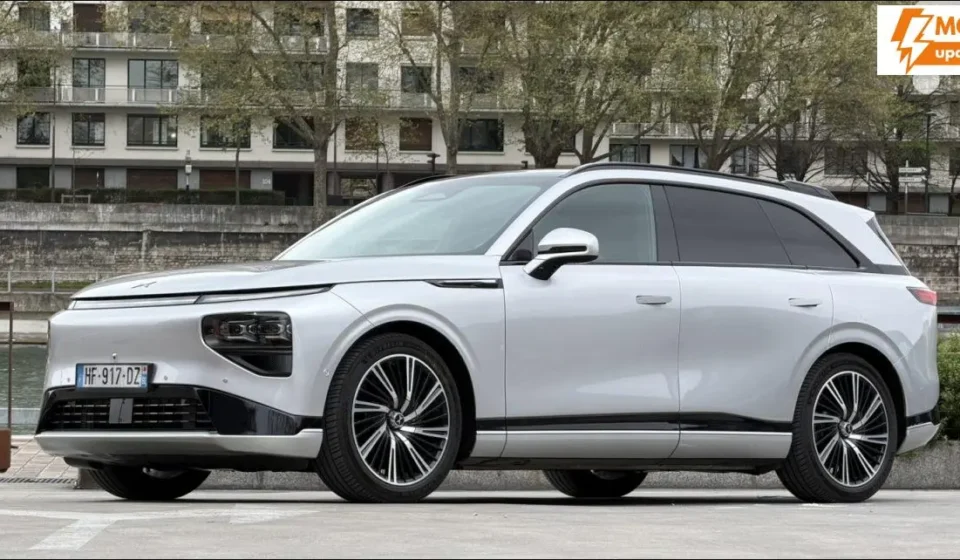

XPeng G9: Revolutionary 800V Charging Powerhouse with Software Challenges
The electric vehicle market is evolving rapidly, and fast charging speed has become a key battleground. The XPeng G9 stands out with its advanced 800V platform, delivering exceptional recharge times that outpace many Western rivals. This mid-size SUV promises to charge from 10% to 80% in just 12 minutes under ideal conditions, peaking at 315 kW. For context, that’s noticeably quicker than the Tesla Model Y’s 250 kW limit or the BMW iX3’s 150 kW cap.
Why Fast Charging Matters for Everyday Drivers
Imagine embarking on a long highway trip: instead of sipping coffee for 30-40 minutes at a charger, you’re back on the road in under 15 minutes. The G9’s 98 kWh usable battery (on the Performance trim) supports real-world ranges around 400-500 km, depending on conditions. However, the real game-changer is how quickly it refuels.
Practical Tip: Always check apps like A Better Routeplanner or PlugShare for 300 kW+ stations. In Europe, these are growing but still mostly on major routes. Pairing the G9 with upcoming networks like Electrify America or Ionity expansions will maximize its potential.
That said, high-power infrastructure isn’t ubiquitous yet—urban and rural areas lag behind. XPeng’s tech pushes the envelope, but your local charging ecosystem determines daily usability.
Software Ergonomics: The Achilles’ Heel Holding It Back
While the hardware impresses, the G9’s infotainment and user interface feel underdeveloped for its premium price tag, hovering near €65,000 for top specs. The 2025 software update improves things, but menus remain cluttered, touch responses can lag, and driver assistance features lack the polished precision of brands like Mercedes or BMW.
For instance, navigation integration sometimes requires multiple taps to access key functions, and ADAS systems may overreact in tight urban traffic. XPeng prioritizes cutting-edge engineering over seamless daily use, which frustrates users expecting smartphone-like fluidity.
Actionable Advice: Test drive extensively—focus on voice commands, gesture controls, and OTA update reliability. XPeng commits to frequent over-the-air fixes, so early buyers might see rapid improvements.
Head-to-Head Comparison: G9 vs. Top Electric SUVs
Here’s how the XPeng G9 Performance stacks up:
| Model | Price (approx.) | Power | 0-100 km/h | Max Charge Speed |
|——-|—————–|——–|————-|——————|
| XPeng G9 Performance | €65,000 | 551 hp | 3.9 s | 315 kW |
| Tesla Model Y Performance | €50,000 | 514 hp | 3.7 s | 250 kW |
| Audi Q6 e-tron | €75,000+ | Up to 510 hp | 5.0 s | 270 kW |
The G9 excels in raw charging speed and spacious cabin, with build quality rivaling Europeans. Tesla wins on ecosystem and autopilot maturity; Audi on luxury fit-out and thermal management.
Buyer Tip: If road trips dominate your driving (e.g., 500+ km weekly), G9’s recharge edge shines. For city commutes, software polish might tip scales toward Tesla or Audi.
The Bigger Picture: China’s EV Push Amid Trade Tensions
XPeng’s G9 embodies China’s strategy to lead via tech innovation, countering EU tariffs with unbeatable specs. At 551 hp and blistering acceleration, it’s a value proposition in a crowded segment. Yet, as Volkswagen’s PPE platform ramps up and tariffs bite, software refinement is crucial for mass appeal.
Future-proofing tip: Monitor EU policy updates—provisional duties could add 20-30% to import costs, narrowing the G9’s price advantage.
Final Thoughts: Tech Marvel or Work in Progress?
The XPeng G9 thrills with 800V supremacy, generous space, and solid finishes—ideal for tech enthusiasts chasing peak performance. But at this price, clunky software demands patience. It’s perfect for early adopters willing to beta-test for ultra-fast charging perks.
For flawless usability, Europeans still lead. Weigh your priorities: blistering bornes or buttery interfaces? Test it yourself and decide.