Renault Zoe Bursts into Flames While Charging in Mougins, Injuring Police Officer: Full Breakdown

Shocking Electric Car Fire in Mougins: Renault Zoe Explodes During Charging, Hurts Cop
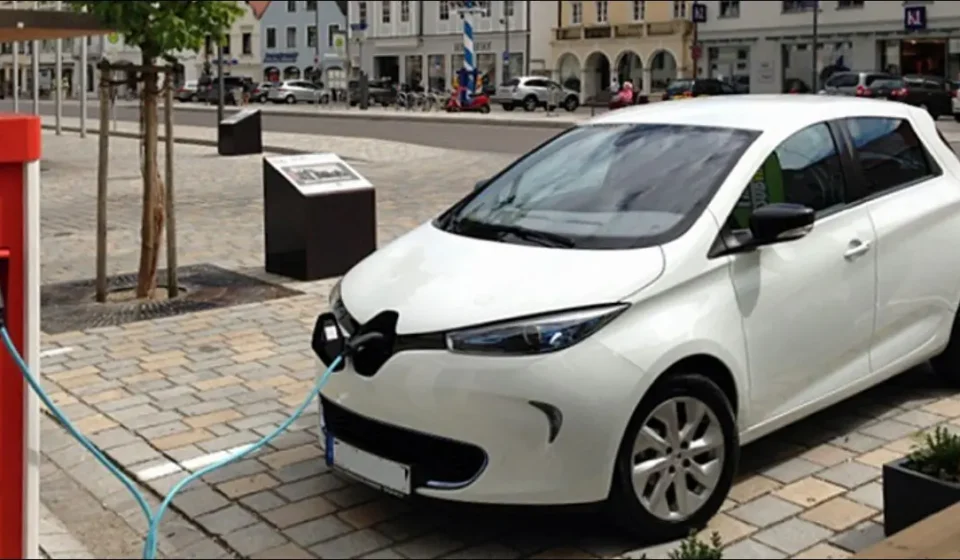
A quiet morning parking lot in Mougins, France, turned chaotic when a Renault Zoe electric vehicle burst into flames while plugged into a charger. The blaze led to a battery explosion that injured a local police officer and a bystander, also spreading to a nearby Tesla. This rare event highlights potential hazards of EV charging, though experts stress such incidents are uncommon.
The Incident Unfolds
On August 11, 2026, just after dawn, the Renault Zoe was connected to a public charging station on a Mougins parking lot. Suddenly, fire erupted from the car itself—not the charger, according to initial reports. Flames quickly jumped to an adjacent Tesla, creating a dual-vehicle inferno. A 40-year-old resident tried to fight the fire but suffered smoke inhalation. Moments later, a 34-year-old municipal police officer was struck by debris from the lithium battery’s explosion during his response.
Nineteen firefighters and seven fire trucks rushed to the scene, battling the blaze for hours. They had to cool the battery pack extensively to prevent reignition, a standard protocol for EV fires.
Official Statements and Updates
Mougins Mayor Christophe Ulivieri shared reassuring news on social media: the police officer was taken to the hospital for checks but showed positive early signs, with no serious injuries. The resident was treated for smoke exposure. Preliminary investigations point to the vehicle as the fire’s origin, ruling out the charging equipment.
Why Do EV Batteries Catch Fire? Lithium-Ion Risks Explained
At the heart of electric cars like the Renault Zoe are lithium-ion batteries, made of thousands of cells packed tightly together. Under normal conditions, they’re safe and reliable. But in rare cases, a single damaged or overheated cell can trigger thermal runaway—a chain reaction where heat spreads rapidly, spiking temperatures over 1,000°C (1,832°F). This releases toxic gases and can cause explosions.
Real-world example: Imagine a minor short circuit from manufacturing defects, physical damage, or extreme overcharging. Heat builds, cells fail one by one, and boom—uncontrollable fire.
Firefighters face unique challenges: water alone isn’t enough; they use massive water volumes to submerge and cool the battery. Post-extinguishment monitoring is crucial since fires can restart.
Fire Risk Comparison
Don’t panic—data calms fears:
| Aspect | Electric Vehicles | Gas Vehicles |
|——–|——————|————–|
| Fire Probability | Similar or lower (per studies) | Higher mileage-related risks |
| France EVs (end 2025) | ~1.5 million | N/A |
| Extinguishing Time | Hours (battery cooling) | Minutes |
| Mougins Response | 19 firefighters, 7 trucks | Typically less |
A 2022 parking fire safety report confirms EVs don’t burn more often than gas cars. With millions on roads, these events are outliers.
Safety Tips for EV Drivers
During Charging: Park away from others if possible. Use certified stations.
If Fire Starts:
- Evacuate immediately—don’t touch the car.
- Call emergency services (112 in Europe) and specify “electric vehicle fire.”
- Stay upwind from fumes.
- Never open hood/trunk or use a extinguisher on the battery.
Prevention: Regular inspections, avoid extreme temps, use manufacturer-approved chargers.
Essential Facts
- Fire started in Renault Zoe during charge, spread to Tesla.
- Battery explosion injured cop (34) and resident (40).
- Vehicle fault, not charger.
- Thermal runaway rare but intense.
- Massive response: 19 firefighters.
- EV fire risk not higher than gas cars.
Frequently Asked Questions
What caused the Mougins EV fire?
A Renault Zoe ignited while charging, with battery explosion from likely thermal runaway.
Are EV charging fires common?
No, very rare despite growing fleets. Stats show comparable or lower risks vs. traditional cars.
How to handle an EV battery fire?
Get away, alert pros, mention it’s electric. Let firefighters handle cooling.
Why are EV fires harder to put out?
High heat, toxic fumes, reignition risk require prolonged water immersion.
Should I worry about public charging?
Incidents are isolated; follow safety guidelines for peace of mind.