
French Government Launches €5,500 EV Incentive for Taxi Drivers
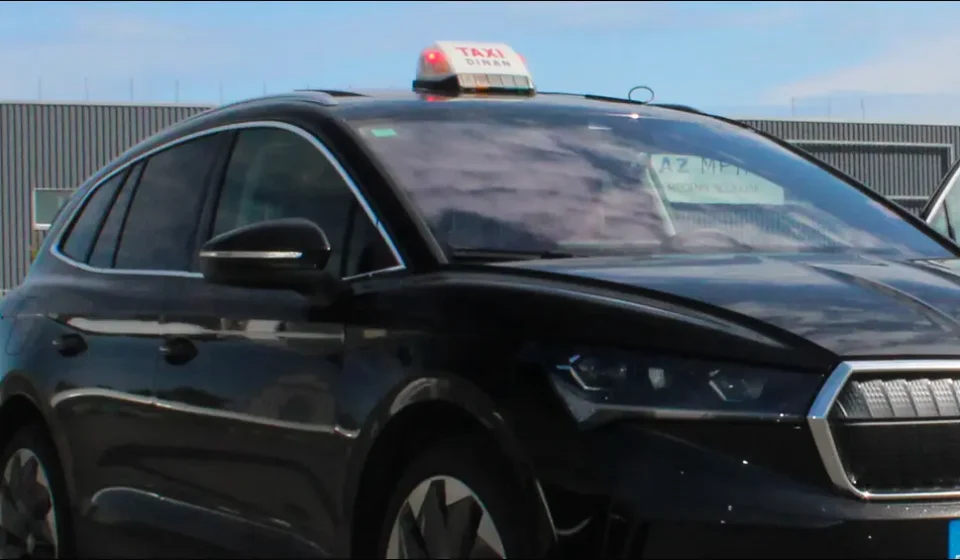
The French government is stepping up efforts to electrify the taxi sector with a new subsidy program offering up to €5,500 for purchasing electric vehicles (EVs). Announced by Transport Minister Philippe Tabarot, this initiative aims to help around 60,000 taxi operators cut fuel costs, reduce emissions, and build resilience against volatile energy prices.
Originally slated for October, the program has been fast-tracked to start on September 1, 2026, and will run for at least four months. This move responds to current geopolitical tensions affecting fuel supplies and prices, making now an ideal time for taxi drivers to go electric.
Key Features of the Taxi EV Grant
- Maximum Aid: €5,500 for EVs assembled in the European Economic Area (EEA) with batteries produced in Europe.
- Base Amount: Around €3,500 for qualifying models without European-sourced batteries.
- Vehicle Limits: Eligible cars must cost under €65,000 and have a kerb weight below 2.4 tonnes.
The subsidy amounts may adjust based on energy efficiency certificates (CEEs) and manufacturer financing deals, so checking current rates is essential.
Who Qualifies and How to Apply
This grant targets licensed taxi drivers, including individuals and businesses. To claim it, applicants need to submit:
- Proof of taxi parking authorization.
- Invoice for taximeter installation from an approved provider, including the vehicle’s registration number.
- Vehicle registration document marked “taxi.”
Pro Tip: Prepare documents early, especially if leasing, as the subsidy applies to both purchases and leases. Contact your local prefecture or use the official government portal for the latest application forms.
Why Switch to Electric for Taxis?
Taxis log high mileage daily, making EVs a smart financial choice:
- Cost Savings Example: A typical taxi driving 50,000 km/year could save €4,000+ on fuel alone (comparing electricity at €0.20/kWh vs. diesel at €1.80/L). Add lower maintenance—no oil changes, fewer brake replacements due to regenerative braking—and payback happens in 2-3 years.
- Rural Focus: In less dense areas, EV adoption among taxis is just 4%. This grant addresses that gap, where public charging is expanding and home charging is feasible for many operators.
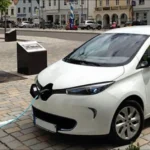
Real-world examples include Paris taxis already thriving with models like the Citroën ë-C4 or Renault Zoe, now joined by larger options like the Peugeot e-308 or upcoming European EVs fitting the size needs.
Broader Impacts and Next Steps
Electrifying taxis supports France’s decarbonization goals, improves air quality, and showcases EV reliability. With over a decade of data proving battery longevity, a maturing charging network (including highways), and ranges exceeding 400 km for many models, long-distance trips are no issue.
Actionable Advice:
- Compare EV models: Use tools like the French government’s simulator to estimate total ownership costs.
- Explore charging: Install a home wallbox (eligible for separate grants) or join taxi depot networks.
- Stay Updated: Monitor CEE fluctuations via official sites, as they influence subsidy levels.
This program positions taxi drivers as EV advocates, potentially swaying passengers toward sustainable rides. If you’re a French taxi operator, this is your cue to electrify—secure your subsidy before funds run out.