

Audi’s Innovative Patent Could Transform Range-Extended Hybrids
A newly uncovered patent from Audi hints at a groundbreaking approach to range-extended electric vehicles (REEVs). This design uses two electric motors and a single gasoline engine that multitask between driving the wheels and recharging the battery, eliminating the need for a separate generator. While it offers potential cost savings in production, it introduces significant challenges for maintaining Audi’s signature quattro all-wheel-drive system.
Blurring the Lines Between PHEV and REEV
Typically, the difference between a plug-in hybrid electric vehicle (PHEV) and a REEV boils down to the role of the gasoline engine. In a PHEV, the engine directly powers the wheels at times. In a pure REEV, it only generates electricity for the battery, never touching the wheels. Audi’s patented system defies easy categorization.
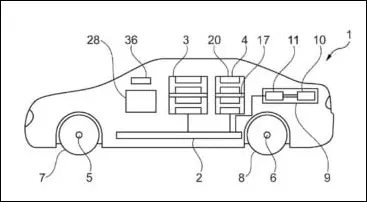
The setup features a primary electric motor powering one axle from the high-voltage battery. A secondary electric motor activates the opposite axle when all-wheel drive is needed. Unlike traditional REEVs, there’s no dedicated third motor to convert engine power into electricity. Instead, the gasoline engine couples directly to the secondary electric motor through a clutch. This clutch enables the motor to either propel the wheels or act as a generator to recharge the battery when levels drop low.
This dual-role configuration echoes strategies tested by brands like GM and Honda, but Audi’s version innovates by using just one motor for both propulsion and generation tasks.
Cost Savings vs. Added Complexity
The biggest win here is efficiency in manufacturing. Skipping an entire electric motor—along with its power electronics, wiring, and space requirements—cuts costs, reduces vehicle weight, and streamlines assembly lines. For consumers, this could translate to more affordable long-range hybrids without sacrificing performance.
However, simplicity in one area breeds complexity elsewhere. To make this work, engineers must incorporate extra clutches, sophisticated control logic, and precise calibrations. The software will need to seamlessly switch modes, ensuring smooth transitions that drivers barely notice. Real-world example: Imagine cruising on electric power alone, then hitting a highway uphill. The system would engage the engine to assist the second motor, balancing drive and recharge needs dynamically.
The Quattro Challenge: Seamless All-Wheel Drive
Audi’s quattro system is more than technology—it’s a brand hallmark, delivering superior traction in all conditions. Yet this REEV design poses a dilemma. When the secondary motor is generating electricity, it can’t simultaneously drive its axle. Prioritizing recharge over traction (or vice versa) could compromise the always-on all-wheel-drive experience customers expect.
Solutions might involve rapid mode-switching clutches and advanced algorithms to predict and preempt traction needs—like preemptively engaging drive mode before slippery roads. Actionable insight for enthusiasts: If this reaches production, test drives should focus on wet-weather handling to verify if quattro magic persists.
Just a Patent—For Now
Patents like this protect ideas, not guarantee products. Audi files many that never see daylight, but this one stands out for its cost-reduction potential amid rising EV demands. It signals the brand’s serious exploration of REEVs, a segment they’ve largely avoided until now. Keep an eye on upcoming models like refreshed Q-series SUVs; this tech could debut there, blending electric efficiency with extended range for real-world adventures.
In summary, Audi’s invention pushes hybrid boundaries, trading some mechanical intricacy for broader accessibility. Whether it overcomes quattro hurdles will determine if it revolutionizes the market.