

Understanding Extended-Range Electric Vehicles (EREVs)
Extended-Range Electric Vehicles, or EREVs, represent a smart evolution in automotive technology. Unlike traditional plug-in hybrids, these vehicles prioritize pure electric propulsion while using a gasoline engine solely as a backup power generator. This setup delivers the smooth, responsive drive of an EV with the peace of mind of extended travel range.
How EREVs Differ from Plug-In Hybrids
Plug-in hybrid electric vehicles (PHEVs) allow their gasoline engines to directly power the wheels alongside electric motors. This dual-drive system offers flexibility but complicates the powertrain.
In contrast, EREVs keep propulsion 100% electric at all times. The gas engine never connects to the wheels; it only spins a generator to recharge the battery when needed. This pure-electric drivetrain simplifies mechanics, reduces wear on the engine, and enhances efficiency.
The Powertrain Explained
Picture this: a large battery pack provides 150-250 miles (240-400 km) of electric-only driving—far more than most PHEVs. Once depleted, the compact gas engine kicks in, generating electricity to sustain the battery at an optimal level. No direct mechanical link to the wheels means seamless transitions and consistent EV-like performance.
Practical Tip: For daily commuters, charge overnight for zero-emission rides. On road trips, the extender ensures you rarely stop for fuel, potentially achieving over 600-700 miles (1000+ km) total range.
Impressive Range Advantages
EREVs shine in total autonomy. Models boast combined ranges exceeding 600 miles, blending electric efficiency with gasoline reliability. Even on long hauls, much of the journey remains electric-powered, minimizing fuel use and emissions.
Example: A typical EREV might offer 200 miles electric, then maintain highway speeds with the generator, adding hundreds more miles without range anxiety.
The Trailblazer: Chevrolet Volt
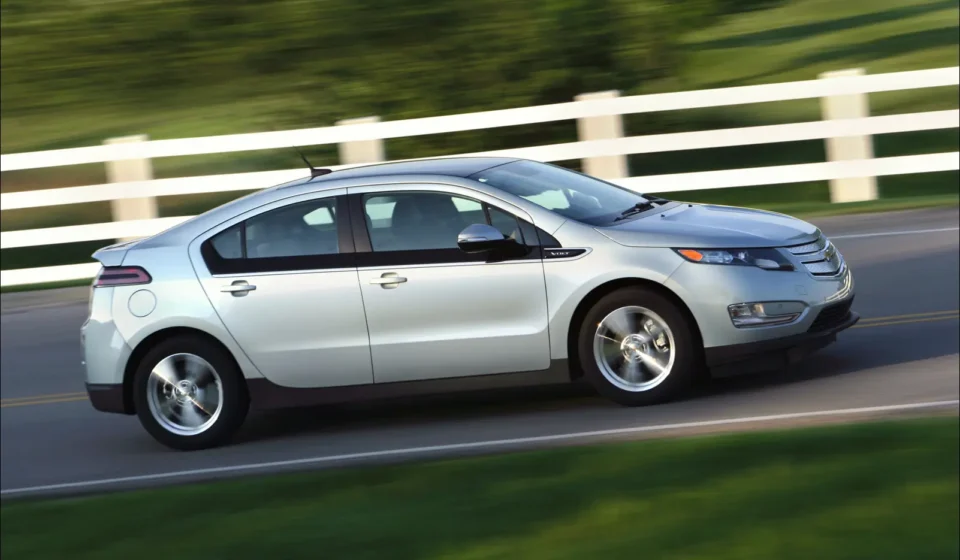
The 2011 Chevrolet Volt pioneered this tech in North America with its Voltec system. It delivered around 35-50 miles electric range initially, extending to 380 miles total. Though it had limited direct-drive modes at high speeds, it proved the concept’s viability, influencing today’s designs.
Revival with Modern Powerhouses
EREVs are surging back:
- Ram 1500 REV: Up to 240 miles electric, 690 miles total via V6 generator—perfect for trucks.
- Scout Motors Terra/Traveler (VW-backed): Rugged SUVs with massive range.
- Jeep Grand Wagoneer EREV: Luxury full-size capability.
- Hyundai/Genesis (2027): Sedans and SUVs joining the fray.
- XPeng G7 (2026): Sleek EV with extender for global markets.
Why EREVs Are the Future
Owners rave about silent acceleration, instant torque, and no ‘range anxiety’ for vacations or work hauls. Ideal for large trucks and SUVs where huge batteries are bulky, EREVs balance space, power, and eco-friendliness.
Buyer Advice: Evaluate charging access, total range needs, and incentives. Test drive to feel the EV purity with extender backup.
As battery costs drop and infrastructure grows, EREVs could bridge full-EV adoption, offering practical zero-emission driving today.