
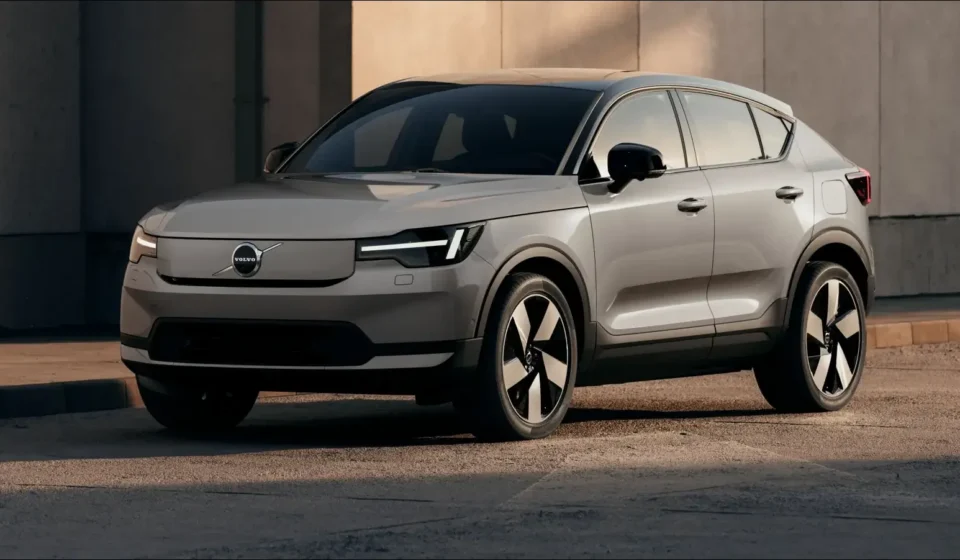

Volvo EC40 Achieves 584 km Range: Outpacing EX40 by 9 km
Volvo has kicked off orders for its refreshed 40 series lineup, including the combustion-powered XC40 alongside the all-electric EX40 and EC40 models. The standout EC40 boasts an impressive up to 584 km of range on the WLTP cycle—nine kilometers ahead of its sibling EX40. Both share the same underpinnings, battery pack, and powertrains, yet the EC40’s sleek design delivers this edge. Production ramps up this fall, with French pricing details released on September 10. Ideal for SUV seekers looking for efficiency and style.
Aerodynamic Edge from the Sloping Roofline
The EC40’s fastback-inspired sloping roofline might seem like a style choice that compromises practicality, but it actually boosts efficiency. Unlike traditional sedans or SUVs where rear headroom suffers, this design slashes drag on electric vehicles, where aerodynamics play a outsized role in range.
For EVs, reducing the drag coefficient (Cd) can add meaningful real-world miles. Think of it like this: every bit of wind resistance sapped more battery life in EVs than in gas cars, where engine heat offsets some losses. Volvo executives highlight similar logic for why estates could challenge SUVs in the EV era. Practical tip: If max range is your priority, test drive both—the EC40 might suit longer trips better despite a potentially smaller trunk.
These figures are preliminary WLTP estimates under lab conditions and could shift before deliveries. Always cross-check protocols when comparing ranges; past models hit 600 km under different tests.
Revamped Front Grille and Lighting
The facelift shines brightest up front. Matrix LED headlights reinterpret Volvo’s iconic Thor’s Hammer daytime running lights, paired with a sleeker grille, sculpted bumper, hood, and front fenders. This modernizes the look while improving airflow.
At the rear, XC40 and EX40 get updated LED taillights, a refined tailgate, and bumper. The EC40 keeps its original rear to preserve its coupe-like proportions—smart design choice for harmony.
Volvo’s interim head for the 30/40 series calls these the pinnacle of the lineup, poised for strong sales ahead.
Larger 11.2-Inch Screen with Google Gemini Integration
Inside, a bigger 11.2-inch central display replaces the old one, offering sharper visuals and quicker access to key features. This addresses past complaints about touch-only interfaces in luxury EVs, making daily use more intuitive.
Google Gemini steps in as the new voice assistant, enabling natural conversations for navigation, stops, or messaging—no more clunky phrases needed. For XC40 buyers, new Cardamom leather seats with light ash inlays elevate the cabin, plus optional dark ash or Shadow aluminum trims and wireless charging.
Actionable advice: Customize voice commands during your test drive to see how Gemini streamlines drives, especially for families juggling schedules.
Enhanced Safety: 12 Ultrasonic Sensors and Advanced Radars
Under the skin, a software overhaul powers next-gen aids. New front and side radars, frontal camera, rear side radars, 12 ultrasonic sensors, and upgraded parking cameras form a robust suite.
New features include a door-opening alert to protect cyclists and pedestrians, smoother lane-change assist in optional Pilot Assist, and a 3D 360-degree view for tight parking. Collision avoidance now smartly picks evasion or braking.
Over-the-air updates promise ongoing improvements—keep an eye on delivery promises from brands. Tip: Prioritize these packs if urban driving with kids or bikes is routine.
All Three Built in Ghent, Belgium
Ghent’s Volvo plant—the last car factory in Belgium—handles XC40 hybrids, EX40, EC40, V60, and now EX30 from China. Over 7.8 million Volvos since 1965, targeting 200,000+ in 2025. Its flexibility lets gas and electric models share lines seamlessly.
Orders are live in markets like France, including Black Edition variants, though builds start later fall.
Unanswered Questions
Details like power outputs, battery capacities, and charge times remain under wraps, focusing announcements on range and tech. This leaves uncertainty: pure refresh or deeper changes?
The 40 series nears a decade; an EX50 on SPA3 platform looms by 2027, suggesting this facelift bridges to the next gen. Pricing parity between electric and thermal will reveal Volvo’s EV push. Check lifecycle reports for eco-insights, but watch commercial strategy.
Buyer’s guide: Weigh range gains vs. practicality, verify final specs, and consider OTA longevity for future-proofing your Volvo.