Is the Internal Combustion Engine the Soul of Supercars? Koenigsegg CEO Reveals Why

Why Koenigsegg Sticks with Combustion Engines Over Full Electric Supercars
Koenigsegg, the Swedish hypercar maker renowned for pushing engineering boundaries, continues to prioritize internal combustion engines (ICE) and hybrids amid the industry’s shift toward electrification. During a recent factory tour in Ängelholm and the reveal of a Lego-inspired project based on the Sædir’s Spear, CEO Christian von Koenigsegg shared insights into the company’s direction.
While rivals like Ferrari roll out electric models, Koenigsegg’s vehicles remain powered by roaring V8s or hybrid setups. Von Koenigsegg insists his team could build a blistering electric hypercar tomorrow, but it wouldn’t capture the essence of what makes a Koenigsegg special.
The Emotional Core of Internal Combustion
At the heart of Koenigsegg’s philosophy is the belief that hypercars transcend mere speed machines. Internal combustion engines deliver more than acceleration figures—they provide a symphony of sounds, tactile vibrations, and mechanical feedback that forge an intimate bond between driver and machine.
“An ICE car feels alive, like a wild animal with personality,” von Koenigsegg explains. Electric vehicles, despite their instant torque and silence, operate on a different emotional wavelength. They’re efficient commuters at heart, not track beasts with soul. For collectors who rarely drive their prized possessions daily, features like plush seats or infotainment pale in comparison to the raw thrill of revving a biturbo V8.
Hybrids: The Best of Both Worlds
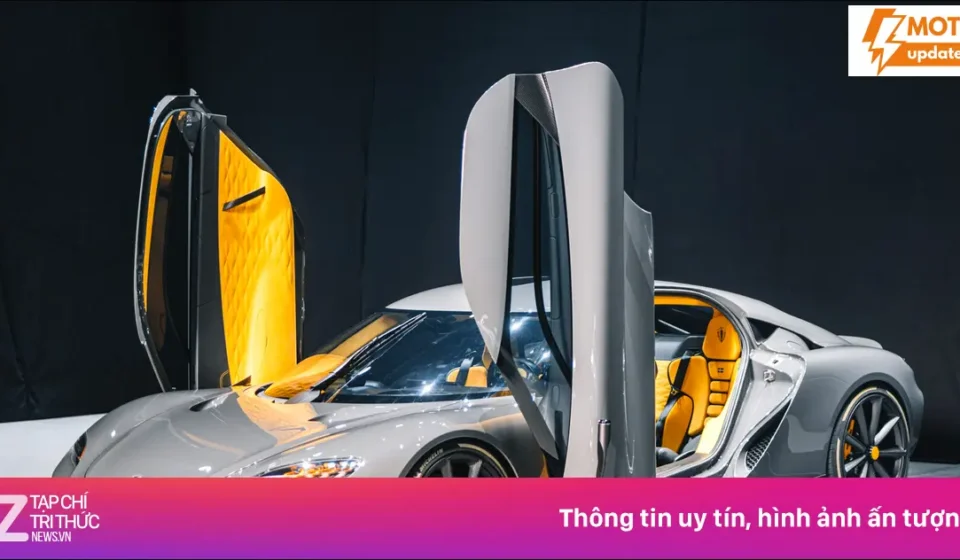
Koenigsegg’s Gemera exemplifies this hybrid approach. Its 5.0-liter twin-turbo V8 pumps out 1,500 horsepower and 1,500 Nm of torque, paired with the Dark Matter electric motor adding 800 hp and 1,250 Nm. The result? A staggering 2,300 hp and 2,750 Nm total—enough for hypercar dominance without sacrificing character.
The compact battery enables short electric jaunts for city driving or low-emission zones, regenerative braking, and versatility. This setup avoids the bulk and weight penalties of massive EV packs, keeping the focus on lightweight engineering and driver engagement.
Environmental Realities for Low-Mileage Hypercars
Von Koenigsegg challenges the blanket assumption that electrics are always greener, especially for hypercars parked in garages more than driven. Producing large batteries involves mining rare materials and emitting toxins, requiring tens of thousands of kilometers to offset via lower emissions.
His estimates suggest a lightweight hybrid or pure ICE could have a smaller footprint after 80,000 km compared to a full EV. Switch to renewable e-fuels or biofuels, and that breakeven extends to 140,000 km. Koenigsegg cars already run on E85 ethanol blends, with plans for carbon-neutral synthetic fuels made from atmospheric CO2 and green energy—potentially achieving net-negative emissions by sequestering more carbon than burned.
A Glimpse into the Future
Ten years ago, von Koenigsegg eyed a 2026 electric Koenigsegg. Today, regulations and battery tech evolution could reopen that door if packs slim down and shed critical minerals. Yet, the company’s commitment to unforgettable driving experiences remains unwavering.
For enthusiasts, this stance underscores key buying tips: Seek cars that stir emotions, not just spec sheets. Test drive hybrids for their power blend, prioritize sustainable fuel compatibility, and value brands innovating beyond electrification trends.
Koenigsegg proves combustion engines aren’t obsolete—they’re the heartbeat of true hypercar legends.