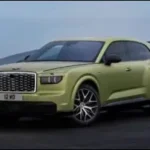
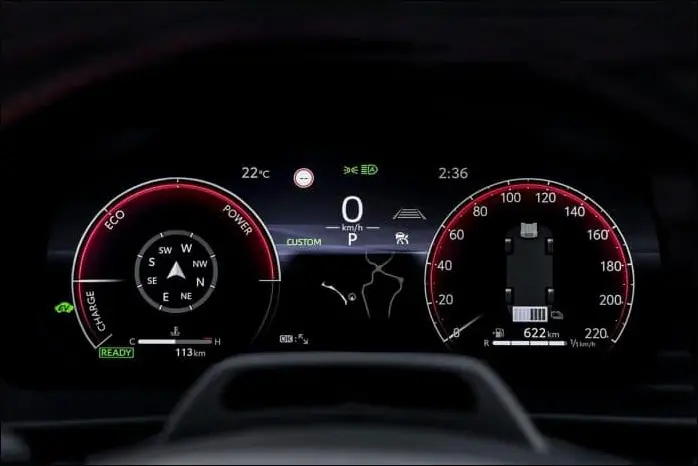
Toyota’s EREV Revolution: Targeting 200,000 Units in China to Master Extended-Range Driving

Toyota’s Ambitious EREV Strategy: Aiming for 200,000 Units in China
Toyota, long renowned for pioneering hybrid technology, is now venturing into extended-range electric vehicles (EREVs). This innovative approach promises electric driving for daily commutes with the flexibility of a gas engine for longer trips, potentially reshaping how we think about electrified mobility.
What Makes EREV Technology Stand Out?
Unlike traditional hybrids where the gasoline engine directly powers the wheels alongside electric motors, EREVs rely solely on electric motors for propulsion. The gas engine acts purely as a generator, recharging the battery or powering the motors when needed.
This setup delivers a pure EV-like experience: instant torque, smooth acceleration, and silent operation on battery power alone. For everyday drives, you run on electricity without touching the gas. On road trips, the engine kicks in seamlessly, eliminating range anxiety and frequent charging stops.
Key Benefits:
- Daily Efficiency: Cover typical commutes (under 100 km) purely on electric power.
- Long-Haul Freedom: Extend range beyond 500-600 km without hunting for chargers.
- Smaller Battery: Lighter and cheaper than full BEVs with massive packs for ultra-long ranges.
Toyota’s Big Plans for China
Reports suggest Toyota is gearing up for significant EREV production in China, targeting around 200,000 units annually, scaling to 400,000 by 2028. This move responds to fierce local competition from players like BYD, Geely, and Li Auto, who dominate with affordable long-range EVs and hybrids.
China’s maturing EV infrastructure and consumer demand for versatile powertrains make it the perfect launchpad. Toyota could adapt popular models like compact SUVs or sedans to this architecture, blending Japanese reliability with extended-range capability.
How EREV Fits Toyota’s Multi-Pathway Vision
Toyota isn’t ditching hybrids—far from it. Their ‘multi-pathway’ philosophy embraces hybrids, plug-in hybrids (PHEVs), battery EVs, and hydrogen fuel cells. EREVs slot in as another tool, especially for markets where charging networks lag.
Current PHEVs from Toyota already hit over 200 km of electric-only range, blurring lines with EREVs. The key distinction? In PHEVs, the gas engine can mechanically drive the wheels; in EREVs, it’s generator-only for a truer EV feel.
Why EREV Makes Sense Now
Range anxiety remains a top barrier to EV adoption. EREVs address this by pairing a practical battery (say, 50-100 kWh for 300+ km electric range) with a fuel tank for unlimited highway cruising at efficiency levels better than pure gas cars.
Practical Example: Imagine a family road trip. Use home charging for the first 400 km electrically. Then, the engine generates power for the next 500 km, sipping fuel at hybrid-like efficiency—no supercharger detours.
Environmentally, it’s a step up: more electric miles mean lower emissions, especially with grid improvements. Industrially, it leverages Toyota’s engine expertise without betting everything on gigafactories.
Will EREVs Hit Europe and Beyond?
Nothing’s confirmed for Europe yet, where Toyota ramps up pure BEVs (12 models by 2026). However, EREVs could appeal to drivers wanting EV perks without full commitment—daily electric for city runs, thermal backup for vacations.
Actionable Tip: If you’re eyeing Toyota’s future lineup, track announcements for PHEV upgrades and China debuts. Test drive current PHEVs like the RAV4 Prime to feel the electric-dominant shift.
The Road Ahead for Toyota’s Electrification
This EREV pivot builds on Toyota’s hybrid legacy, prioritizing real-world usability over one-size-fits-all electrics. Expect details on specific models, battery sizes, and global rollouts soon. It’s a smart evolution, ensuring Toyota stays ahead in a diversifying auto landscape.
Stay tuned—Toyota’s extended-range bet could redefine hybrid innovation.