
Why Volkswagen’s ID. Polo Stands Out as the Key Model for 2026
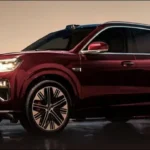
Volkswagen is gearing up to launch the ID. Polo in the European market in 2026, positioning it as a cornerstone of their lineup. By reviving the iconic Polo name for an affordable electric compact car, the brand is tackling the rapid shift to zero-emission vehicles in a fiercely competitive city car segment.
Built for Everyday City Driving
The ID. Polo builds on the ID.2all concept unveiled in 2023, maintaining the compact dimensions that made the original Polo a hit—around 4 meters long with space for five passengers. It uses Volkswagen Group’s advanced MEB+ platform for its electric powertrain. Expect up to 450 km of WLTP range in the top trim, making it suitable for daily commutes. Fast charging adds practicality, hitting 80% capacity in under 30 minutes on DC stations.
Starting at about €25,000 for the base battery version, it aims to bring electric driving to budget-conscious buyers beyond premium models.
The Rise of Affordable Electric City Cars
Major European automakers are flooding the market with sub-€30,000 electrics: Renault’s R5 E-Tech, Citroën’s ë-C3, and Fiat’s electric Grande Panda. This rush stems from the EU’s 2035 ban on new combustion-engine car sales.
EV registrations in Europe surged in 2025, reaching 1.88 million units and a 17.4% market share, up from 13.6% the prior year, per ACEA data. Countries like Germany (+43.2%), Netherlands (+18.1%), Belgium (+12.6%), and France (+12.5%) led the growth. Volkswagen, once lagging behind Chinese rivals, is countering with heavy investments in EVs from 2024-2028.
City cars like the ID. Polo are ideal entry points—cheaper than electric SUVs and perfect for urban lifestyles.
Essential Factors for a Viable Electric Compact: Range, Cost, and Usability
Buyers prioritize at least 400 km range for worry-free daily use, where the ID. Polo excels. Price is crucial for mass adoption, and practicality seals the deal: quick DC charging, generous boot space, intuitive dashboard, and reliable driver aids.
ADEME studies highlight daily usability as the top driver for long-term EV ownership. For instance, seamless integration with home chargers and app-based preconditioning can make urban life smoother.
Tip for buyers: Look for models with bidirectional charging to power home devices, enhancing value in apartments without garages.
Tackling Urban Mobility and Eco Challenges
European cities are tightening rules with Low Emission Zones (ZFE in France), phasing out polluting vehicles via Crit’Air stickers. Electrics bypass these restrictions effortlessly.
Beyond CO2 cuts, EVs reduce noise pollution, improve air quality, and ease congestion with their compact size. They’re suited for both private owners and urban fleets, aligning with national low-carbon goals.
Volkswagen’s Bold Bet on the ID. Polo
With its city-friendly size, solid range, rapid charging, and accessible price, the ID. Polo could accelerate EV adoption across Europe. Its market performance will test Volkswagen’s strategy in this pivotal shift.