
Why BYD’s Plug-In Hybrids Are Becoming Popular in Europe
BYD, the Chinese automotive powerhouse, initially targeted Europe with a bold push into full electric vehicles (EVs), leveraging its battery expertise and massive investments. However, the company has smartly pivoted to emphasize plug-in hybrid electric vehicles (PHEVs), recognizing Europe’s unique market dynamics. This strategic shift positions PHEVs as BYD’s key to rapid expansion on the continent.
Europe’s Varied Path to Electrification
Europe’s shift toward electric mobility isn’t uniform. Urban areas in Norway or the Netherlands boast extensive charging networks and high EV adoption, while rural regions in Eastern Europe or parts of Southern Europe lag behind due to sparse infrastructure and economic factors. Long-distance drivers worry about range anxiety, and many prefer keeping a gasoline backup.
For buyers, this means PHEVs bridge the gap perfectly. Imagine commuting 50 km daily on battery power alone, then using the gas engine for weekend road trips without hunting for chargers. Practical tip: Check local incentives—many EU countries offer PHEV rebates alongside EV bonuses, making them cost-effective starters for electrification.
The Growing Appeal of Plug-In Hybrids
Far from fading, PHEVs are surging in popularity. They deliver EV-like efficiency for short trips (zero emissions, low fuel costs) and thermal engine reliability for longer journeys. Sales data shows PHEVs outselling full EVs in markets like Germany and France, appealing to 40-50% of potential buyers wary of full commitment.
BYD’s DM-i hybrid tech shines here, pairing efficient 1.5-liter Atkinson-cycle engines with powerful electric motors. This setup prioritizes electric driving while ensuring seamless transitions.
Spotlight on the BYD Dolphin DM-i
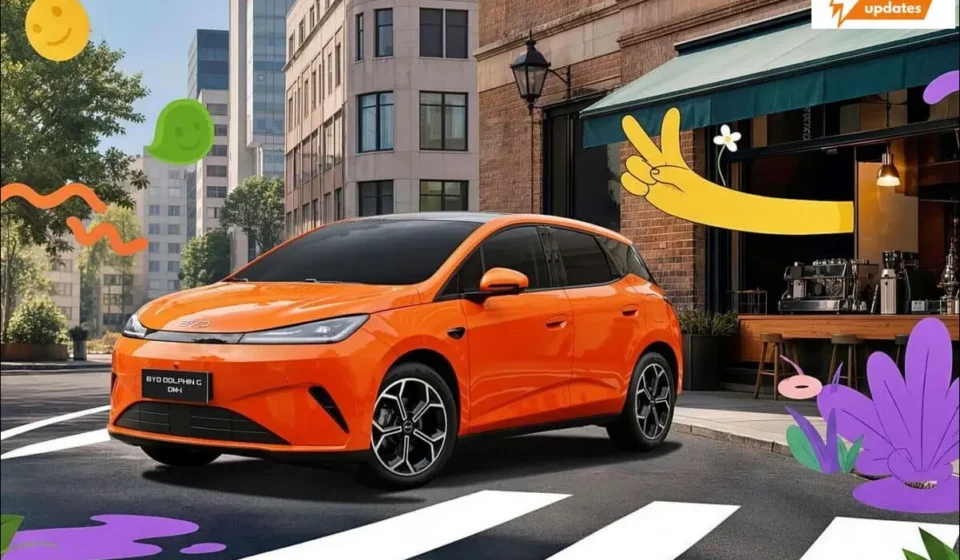
The Dolphin DM-i exemplifies BYD’s European-tailored PHEV. It boasts an impressive 105 km WLTP electric-only range—outpacing rivals like the Volkswagen Golf GTE by about 35 km. European styling sets it apart from Chinese models: sleeker front fascia and Ocean family rear lights align with local tastes.
Inside, a portrait-oriented central screen (a BYD hallmark since the Atto 3) offers intuitive controls. The underfloor battery maintains rear legroom and a competitive trunk (losing minimal space vs. pure gas versions). Actionable advice for shoppers: Test the electric mode in city traffic to feel the instant torque and quiet ride.
Reshaping BYD’s Image in Europe
BYD arrived as an EV specialist, but now it’s evolving into a versatile electrification leader. This broadens appeal to hesitant buyers who value choice amid rapid tech changes. By offering both EVs and PHEVs, BYD accesses a wider audience, from urban millennials to family road-trippers.
Competitive edge: Battery mastery keeps costs low, enabling aggressive pricing against legacy brands like VW, Renault, or Stellantis.
Challenging Established Players
BYD isn’t just entering—it’s gunning for top spots. Present in 37 European countries, it aims for 40 by year-end. A Hungary factory opens in late 2025, with another site planned via acquisition. Though not yet in France, expect wider distribution soon.
This PHEV focus disrupts incumbents, who face stricter emissions rules. BYD’s pragmatic approach—adapting to real customer needs—could erode market share from traditional hybrids and mild-hybrids.
A Smarter Path Forward
BYD’s embrace of PHEVs shows market savvy: electrification succeeds when it fits lifestyles. For European drivers, it’s not about ditching gas overnight but easing in with versatile options. Whether you’re range-conscious or infrastructure-limited, BYD’s lineup delivers.
Tip for potential buyers: Compare total ownership costs—PHEVs often win on fuel savings plus home charging. As BYD ramps up, watch for deals blending EV perks with hybrid flexibility.