
Volkswagen’s Bold Cost-Saving Strategy Amid EV Push
Volkswagen, Europe’s largest carmaker, is embarking on a significant restructuring effort to secure its future in the electric vehicle era. Despite maintaining steady global vehicle deliveries around 9 million units, the company has seen its operating profit halve from 19.1 billion euros to 8.9 billion euros. To reverse this trend and achieve an 8-10% operating margin by 2030, CEO Oliver Blume has outlined a comprehensive plan targeting over 6 billion euros in annual savings by the end of the decade.
Addressing Financial Pressures
The automotive industry faces mounting challenges, including rising costs, supply chain disruptions, and shifting consumer demands toward sustainable mobility. Volkswagen’s response includes streamlining operations and making tough decisions on workforce size. Approximately 50,000 positions across the group—which encompasses brands like Volkswagen, Audi, Porsche, and software arm Cariad—will be eliminated. Notably, agreements for over 28,000 departures have already been reached within Volkswagen AG alone.
This move isn’t isolated; it’s part of a broader industry trend where legacy automakers cut costs to compete with agile newcomers and low-cost rivals from China.
Streamlining Production and Operations
To enhance efficiency, Volkswagen plans to realign production capacities with actual market demands. This involves reducing the number of vehicle platforms, electronic systems, and model variants, which currently inflate development and manufacturing expenses. By simplifying its portfolio, the company aims to cut complexity, speed up innovation cycles, and lower overall costs.
For instance, fewer platforms mean shared components across models, reducing R&D spending and improving economies of scale—key for profitability in a competitive landscape.
Fueling the Electric Vehicle Revolution
These savings will directly fund Volkswagen’s aggressive expansion in electrics. The group is riding a wave of success here, with pure EV sales surging 32% worldwide and 66% in Europe, capturing 27% of the European EV market.
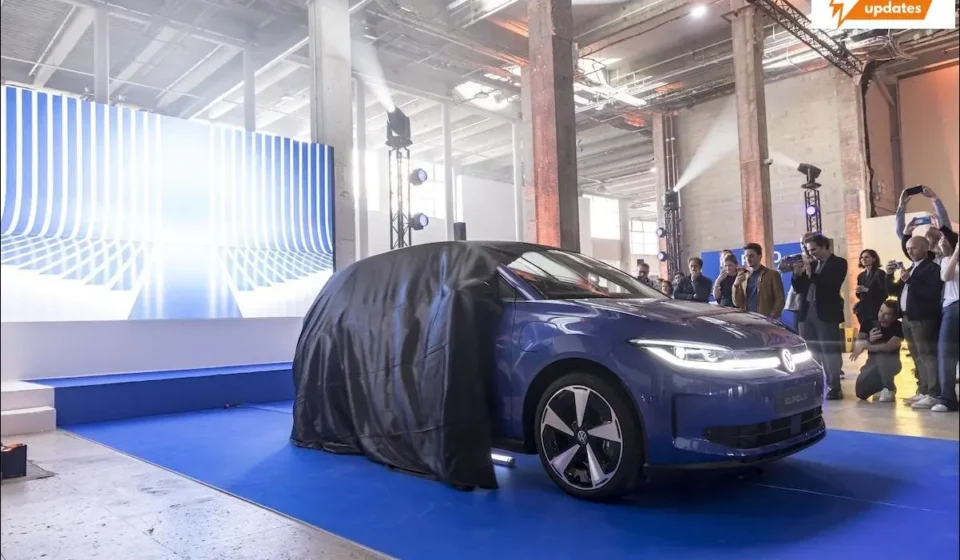
Looking ahead to 2030, Volkswagen targets launching around 20 new electric models, focusing on affordable compact cars to broaden appeal. Upcoming entries include the ID. Polo, ID. Cross, Cupra Raval, and Škoda Epiq—entry-level options designed to challenge budget-conscious buyers and fend off Chinese imports flooding Western markets.
What This Means for the Industry
Volkswagen’s strategy underscores the high stakes in the EV transition. While job reductions spark concerns for workers and unions, they position the company to invest heavily in battery tech, software, and charging infrastructure. Success could solidify VW’s leadership in Europe, but failure risks losing ground to Tesla, BYD, and others.
Stakeholders should watch how these changes unfold, as they may set precedents for other manufacturers grappling with similar issues. For now, Volkswagen insists there’s no crisis—just a proactive pivot toward a greener, more profitable future.