Toyota’s Groundbreaking Hydrogen Turbine Patent: A Smart Bet Against All-Electric Dominance

Toyota’s Innovative Hydrogen Turbine Patent Signals Multi-Path Future for Autos
Toyota continues to lead as the world’s top automaker by exploring diverse propulsion technologies beyond the dominant electric vehicle trend. A recently published patent highlights their latest breakthrough: a compact gas turbine engine running on hydrogen. This development underscores Toyota’s belief in a balanced portfolio including hybrids, alternative fuels, and hydrogen-powered solutions to meet global mobility needs.
Understanding the Hydrogen Gas Turbine Concept
Gas turbines are powerhouses in aviation and marine applications, prized for high power output. Adapting them for cars is ambitious due to size and efficiency challenges. Toyota’s design targets 10 to 100 kW (roughly 13-134 hp), suitable for automotive use, perhaps as a range extender in hybrids or a primary power source in niche vehicles.
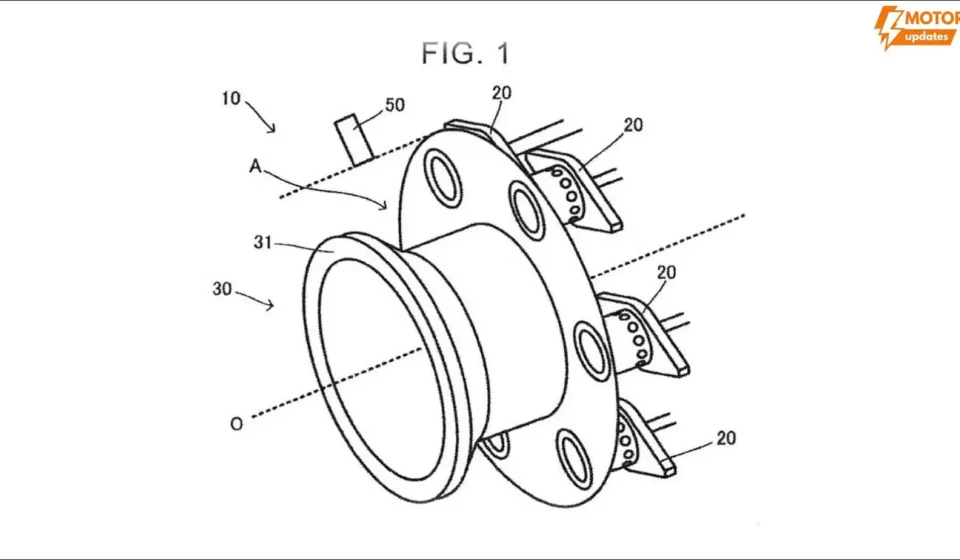
The core innovation lies in hydrogen combustion management. Unlike gasoline, hydrogen burns hotter and faster, risking uneven flames and high NOx emissions. Toyota’s system uses multiple injectors to pre-mix compressed air and hydrogen gas, creating uniform combustion. This minimizes hot spots, optimizes space in the combustion chamber, and supports miniaturization—key for vehicle integration.
Key Benefits:
- Reduced NOx through even burning
- Compact design fitting passenger cars
- Potential high efficiency with clean hydrogen
Historical Context and Past Hurdles
Automotive turbines aren’t new. In the 1960s, Chrysler tested turbine cars that ran on various fuels, dazzling with instant torque but faltering on fuel thirst, extreme exhaust heat, and everyday drivability. Toyota aims to overcome these with hydrogen’s clean profile and advanced controls, potentially making turbines viable again.
Why Toyota Resists the All-EV Narrative
While offering models like the bZ4X EV, Toyota champions “carbon neutrality by 2050” via multiple paths. Their hydrogen fuel cell vehicle, the Mirai, faced slow adoption due to sparse refueling stations and high costs. Yet, Toyota invests heavily, viewing hydrogen as ideal for heavy-duty trucks, buses, and regions with renewable energy surpluses for green H2 production.
This patent fits their strategy: avoid over-reliance on batteries, which face raw material shortages and charging infrastructure gaps. By diversifying, Toyota hedges against EV market volatility and supports varied customer needs—from urban commuters to long-haul drivers.
Actionable Insights for Auto Enthusiasts:
- Watch for Prototypes: Expect hybrid concepts pairing this turbine with batteries for extended range without large packs.
- Infrastructure Push: Advocate for hydrogen stations; Toyota partners with energy firms to expand networks.
- Compare Options: Hydrogen offers quick refuels (3-5 minutes) vs. EV charging, with zero tailpipe emissions if green-sourced.
Toyota’s persistence could reshape debates on sustainable transport, proving one-size-fits-all solutions fall short. Stay tuned as this tech evolves toward real-world testing.